AsiaTechDaily – Asia's Leading Tech and Startup Media Platform

Heidi Expands into Malaysia with Heidi Remote Launch, Targeting Healthcare Workflow Gaps in APAC
 by
by

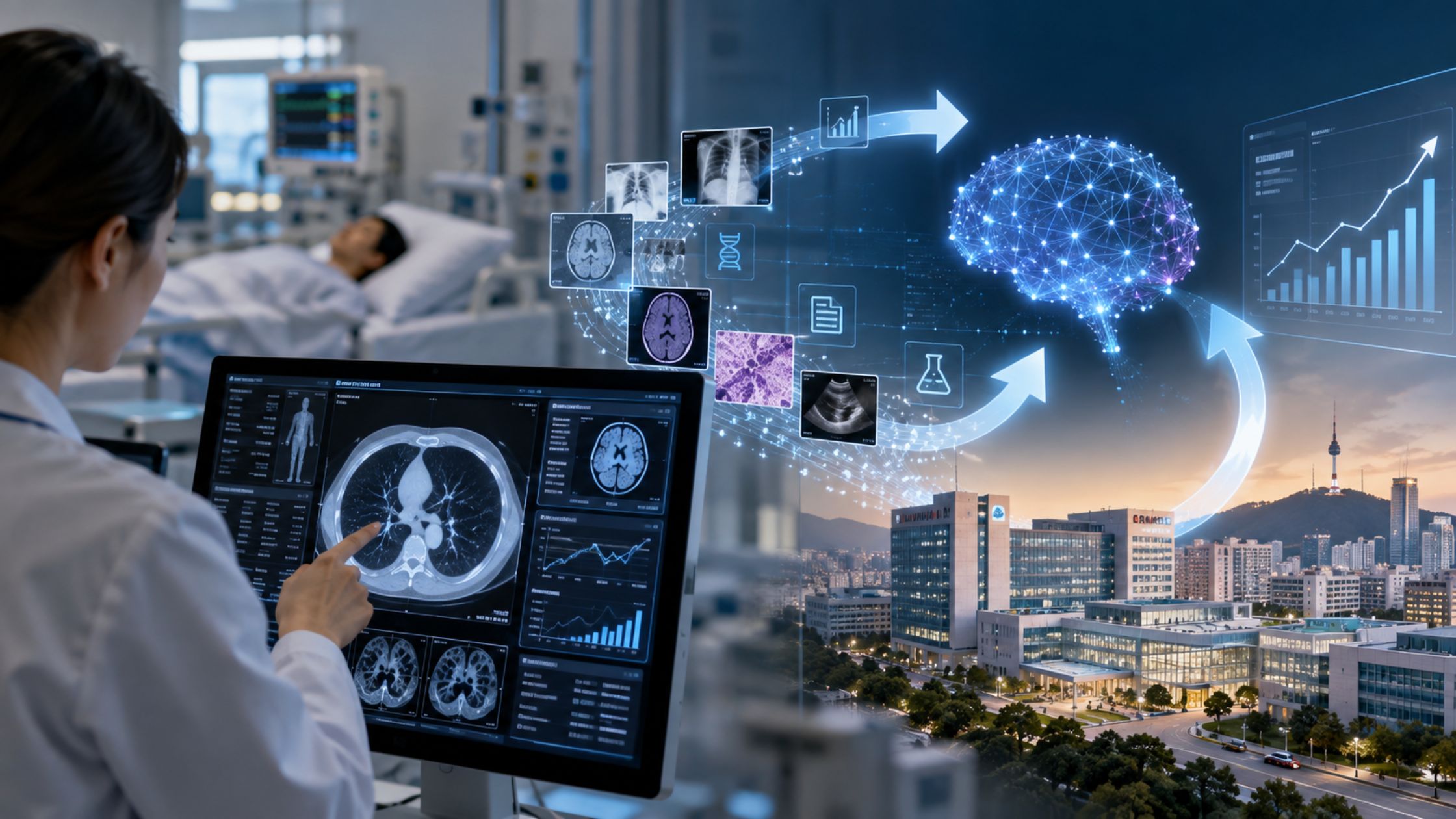
As AI adoption accelerates in healthcare, the company’s first hardware product signals a shift toward full-stack clinical infrastructure
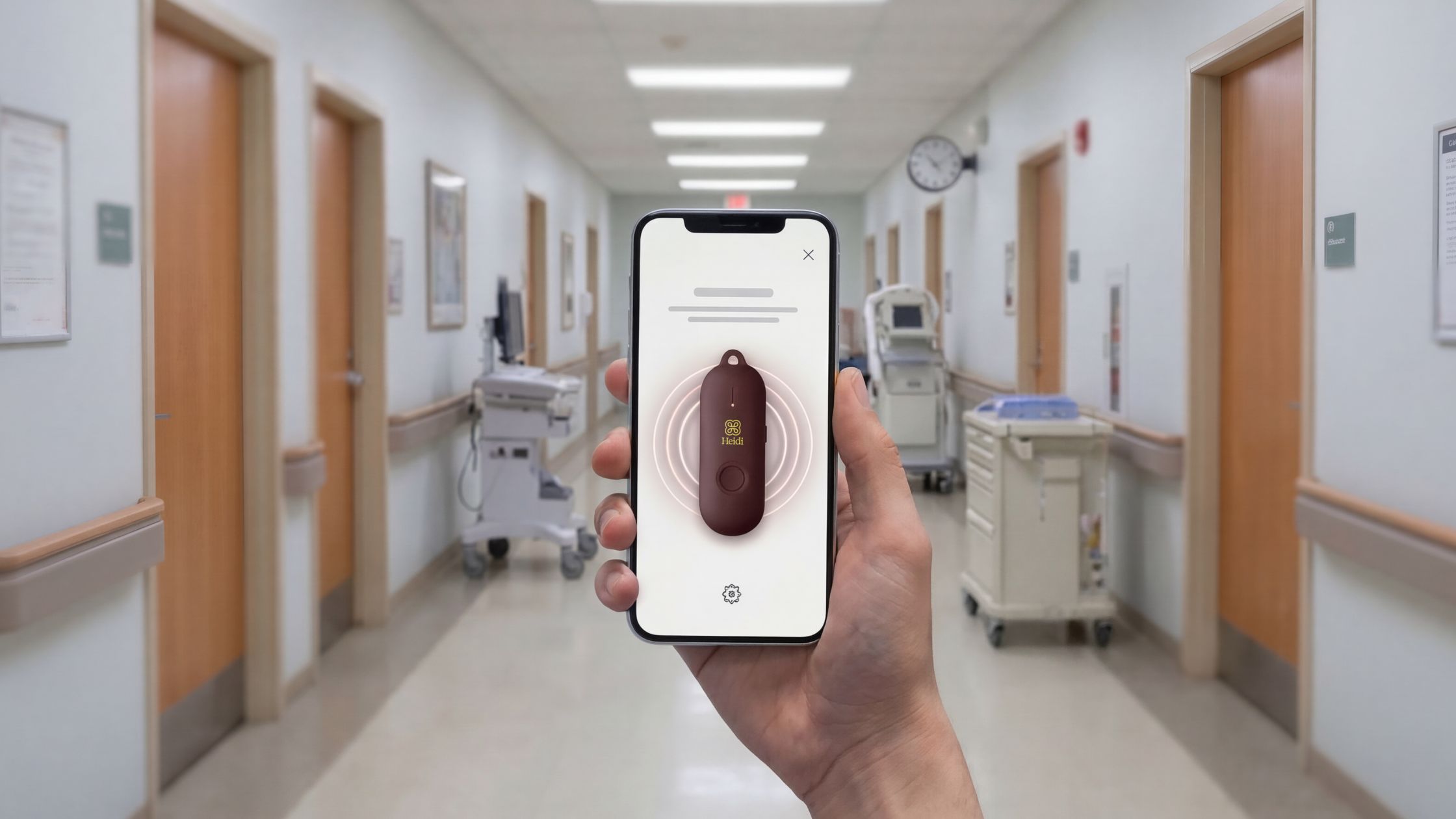
Heidi, an AI-powered clinical workflow platform supporting more than 2.5 million patient interactions weekly, has expanded into Malaysia with the launch of Heidi Remote, a purpose-built audio device designed for clinical environments. The move forms part of the company’s broader US$9 million APAC expansion, as it deepens its presence in a region facing mounting healthcare capacity challenges.
Beyond a product rollout, the expansion is a broader shift in healthcare technology: the move from standalone AI tools toward more integrated, end-to-end clinical workflow systems.
Heidi’s entry into Malaysia comes at a time when the country’s healthcare system is under strain. According to a research report, the number of housemen employed by the health ministry declined sharply from 6,134 in 2019 to 3,271 in 2023, according to the company. This drop, combined with rising patient demand and increasing administrative workloads, has contributed to congestion in public hospitals and growing pressure on clinicians.
This is not unique to Malaysia. Across Asia-Pacific, healthcare systems are grappling with similar dynamics—limited workforce capacity alongside rising expectations for digital and data-driven care. In this context, tools that reduce administrative burden are increasingly being viewed as essential infrastructure rather than optional enhancements.
From AI Tools to Clinical Infrastructure
The launch of Heidi Remote marks the company’s first move into hardware, signaling a shift in how it approaches clinical workflows. Until now, Heidi’s offerings—such as its AI scribe, Heidi Evidence, and Heidi Comms—have focused on software that captures, structures, and manages clinical information. However, as AI becomes more embedded in day-to-day practice, the limitations of existing hardware have become more apparent.
Clinical environments are rarely ideal for technology. Noise, shared devices, unreliable connectivity, and the need for constant movement all affect how effectively digital tools can be used. These conditions can directly impact the performance of AI systems, particularly those relying on accurate audio capture.

Speaking to AsiaTechDaily, Dr. Thomas Kelly, Co-founder and CEO of Heidi, said the company’s approach was shaped by observing these real-world conditions:
“Our team spent time across a wide range of clinical environments, from noisy Emergency Departments and busy hospital wards to community settings and rural clinics in Malaysia. What we consistently observed was that clinicians rarely work in ideal conditions.”
He added:
“Rather than assuming clinicians would always have access to stable cloud connectivity or personal devices, we developed Heidi Remote as a dedicated piece of hardware purpose-built for fast-paced healthcare settings… we positioned Heidi Remote as a secure, fully offline-capable device with on-device encryption, allowing clinicians to document care wherever they are, while maintaining privacy, speed and reliability.”
It is their broader realization across the industry: as AI capabilities improve, the bottleneck is increasingly shifting to the environment in which that AI operates.
AI-powered documentation tools, often referred to as “AI scribes,” are already becoming embedded in clinical workflows. Heidi alone reports supporting over 115 million sessions in the past 18 months, with clinicians saving an estimated 320 million minutes of administrative time.
However, the effectiveness of these tools depends heavily on consistent and high-quality data input. Variability in audio capture—caused by noise, movement, or device limitations—can reduce accuracy and limit their usefulness in practice.
Heidi Remote is designed to address this gap by providing a dedicated capture device that functions independently of phones or laptops, including in offline settings. The goal is to ensure that AI performance remains consistent across different clinical environments, from hospitals to rural clinics.
Why Malaysia—and Why Now
Heidi’s expansion into Malaysia is also a strategic move within the broader APAC region. Southeast Asia presents a combination of growing healthcare demand and uneven infrastructure, creating both opportunity and complexity for digital health companies.
Malaysia offers a relatively mature healthcare system compared to some neighboring markets, along with strong private sector participation and increasing openness to digital solutions. At the same time, challenges around workforce capacity and system efficiency make it a relevant testbed for tools aimed at improving productivity.
More broadly, the region’s fragmentation means that solutions must be adaptable to different regulatory, operational, and clinical contexts. Heidi’s emphasis on offline capability and local data handling suggests an attempt to address these variations early.
Key Features of Heidi Remote
While the broader strategy is centered on workflow integration, the device itself introduces several practical features designed for clinical use:
- A lightweight, wearable microphone built for long shifts
- Reliable audio capture in high-noise environments
- Offline functionality with automatic syncing
- On-device encryption aligned with healthcare privacy requirements
With this, Heidi is attempting to align technology more closely with the realities of clinical work, rather than expecting clinicians to adapt to consumer-grade devices.
Competing for the Clinical Workflow
The expansion also highlights a broader competitive dynamic in healthcare technology. As AI adoption increases, companies are moving beyond single-use tools toward platforms that integrate multiple aspects of clinical work—from documentation to communication and decision support.
By combining software capabilities with dedicated hardware, Heidi is positioning itself as a more comprehensive solution within this evolving landscape.
The long-term opportunity lies in becoming embedded within clinical workflows, where switching costs are high and adoption can scale across entire healthcare systems. However, this also requires navigating regulatory complexity, ensuring data security, and building trust among clinicians—factors that vary significantly across markets.
Heidi’s entry into Malaysia is about how healthcare AI is evolving. As the industry moves toward more integrated and ambient systems, the focus is shifting from what AI can do to how effectively it can be deployed in real-world settings.
In Asia-Pacific, where healthcare systems face both rapid growth and structural constraints, this challenge is particularly pronounced. Heidi Remote represents one attempt to bridge the gap between technological capability and clinical reality. Whether this approach can scale across diverse healthcare environments will depend on execution, adaptability, and trust—but it points to a clear direction: the future of healthcare AI will be shaped as much by infrastructure as by innovation.
Quick Takeaways
- More than a market expansion: Heidi’s entry into Malaysia signals a shift from standalone AI tools to integrated clinical workflow infrastructure.
- Healthcare capacity is the core driver: Workforce shortages and rising administrative burden in Malaysia reflect a broader APAC-wide strain on healthcare systems.
- Hardware becomes strategic: With Heidi Remote, the company moves beyond software to address real-world limitations of clinical environments, particularly around audio capture and connectivity.
- AI adoption is maturing: The focus is shifting from “can AI work?” to “can it work reliably in everyday clinical settings?”
- APAC is a key battleground: Fragmented systems and rising demand make Southeast Asia a high-growth but complex market for healthtech expansion.
- Workflow ownership is the next frontier: Companies are increasingly competing to control the full clinical workflow, not just individual tools like AI scribes.
- Execution risks remain: Success will depend on integration, regulatory compliance, and clinician trust, especially across diverse markets.
Similar Articles