AsiaTechDaily – Asia's Leading Tech and Startup Media Platform

From Ignored Startup to IPO Candidate: HAI Robotics Faces Its Biggest Test Yet
 by
by

As Asia’s warehouse automation race heats up, one early leader prepares for a far more competitive phase
After eight years, 15 rounds of financing, and over 4.1 billion yuan raised, Shenzhen-based HAI Robotics is preparing to go public on the Hong Kong Stock Exchange. At one level, the story follows a familiar arc—a deep-tech startup that survived early skepticism, built a differentiated product, and attracted top-tier investors. But the timing of this IPO is what makes it more interesting.
HAI Robotics is not entering a quiet market. It is stepping into a phase where Asia’s warehouse automation sector is becoming crowded, capital-intensive, and increasingly global.
When the company was founded in 2016, most warehouse robotics players were focused on a relatively straightforward model: robots that move entire shelves to human operators.
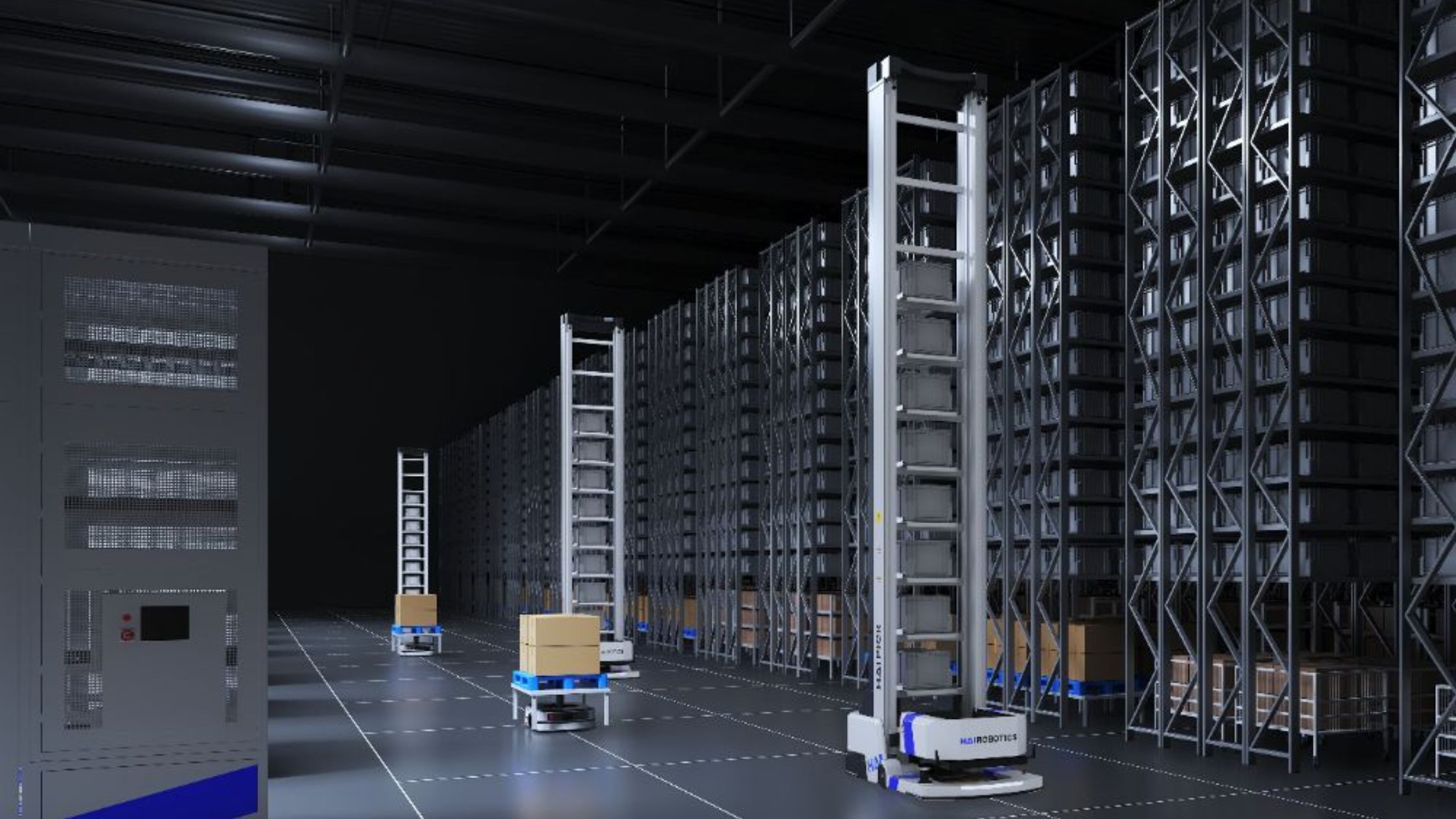
HAI Robotics chose a more complex route—developing robots that can climb storage racks and retrieve individual bins. At the time, this approach was considered risky, both technically and commercially. It required high precision, stability at height, and a longer development cycle.
For several years, progress was slow. The company faced technical setbacks and limited market recognition. But the decision to persist with this model eventually paid off as demand for higher-density storage and faster fulfillment grew alongside e-commerce.
Today, its systems allow warehouses to use vertical space far more efficiently while improving operational speed. By 2024, HAI Robotics had emerged as the world’s largest provider of ACR (Autonomous Case-handling Robot) solutions, with a market share exceeding 30%.
This trajectory reflects a broader shift in Asia’s tech ecosystem, where investors have become more willing to back technically difficult, long-cycle innovations rather than quick, market-driven solutions.
Shift Toward International Markets
What stands out in HAI Robotics’ recent performance is not just growth, but where that growth is coming from. Over the past few years, the company has steadily increased its international exposure. Overseas revenue now accounts for a significant share of its business, and for the first time, international orders have crossed the 50% mark.
This shift signals a deeper transformation. HAI is no longer just a Chinese company expanding abroad—it is positioning itself as a global automation player.
That transition brings both opportunity and pressure. On one hand, global markets offer higher margins and stronger valuation potential. On the other, they introduce more sophisticated competitors and longer sales cycles.
Funding History and Investor Base
HAI Robotics’ funding journey is unusually long and consistent. Over 15 rounds, the company has attracted a mix of leading venture capital firms and global investors, including Matrix Partners China, Source Code Capital, Sequoia China, and the Qatar Investment Authority. Early investors backed the company when its direction was still uncertain and the market was skeptical of its technical approach. Those early bets are now expected to generate significant returns as the company approaches its IPO.
But this also raises expectations. Public market investors tend to look beyond technological promise and focus more on execution, margins, and scalability—areas where hardware-heavy companies often face scrutiny.
A Sector That Is Getting Crowded Fast
HAI Robotics is entering the public market at a time when the broader robotics sector in Asia is seeing a surge of IPO activity. Several companies in adjacent segments are also preparing to list, particularly in Hong Kong. This changes the competitive landscape in a meaningful way. With more players gaining access to capital, competition is likely to shift from product differentiation to pricing, deployment speed, and customer acquisition.
In practical terms, this means HAI will need to defend its position more actively than before. The pressure points are already visible:
- Competitors are beginning to introduce similar solutions
- Pricing pressure is emerging in what was once a technology-led market
- Customer demand, especially from e-commerce and logistics, remains sensitive to broader economic conditions
These factors suggest that the next phase of growth may be more challenging than the last.
Outlook Post-IPO
As outlined in its prospectus, HAI Robotics plans to use the IPO proceeds to strengthen its technology stack, expand global manufacturing, and invest further in international markets. These priorities are aligned with where the industry is heading. But execution will be critical.
The company’s future will likely depend on its ability to balance three things: maintaining technological leadership, scaling operations globally, and protecting margins in an increasingly competitive environment.
HAI Robotics has already achieved what many startups struggle to do—prove a difficult technology, scale it commercially, and build global relevance. But the IPO marks a shift, not a finish line. From here, the company moves into a more demanding phase where competition is stronger, capital is more evenly distributed, and expectations are higher. Across Asia, a new wave of robotics companies is entering the public markets at the same time, turning what was once a niche race into a crowded field. HAI Robotics may still be ahead—but in a market evolving this quickly, staying ahead will require more than just an early lead.
Quick Takeaways:
- HAI Robotics is heading for a Hong Kong IPO after 15 funding rounds, raising over 4.1 billion yuan to date.
- The company built its edge by betting early on bin-picking robots, a harder but more efficient alternative to traditional warehouse automation.
- It now holds over 30% global market share in ACR solutions, making it a category leader.
- The business is becoming increasingly global, with over half of orders coming from overseas markets.
- Backed by top-tier investors, the IPO could deliver strong returns for early backers.
- However, the timing is tricky—multiple robotics firms in Asia are also going public, intensifying competition.
- The key risk: shifting from tech leadership to defending margins and market share in a more crowded, price-sensitive market.
Similar Articles