AsiaTechDaily – Asia's Leading Tech and Startup Media Platform

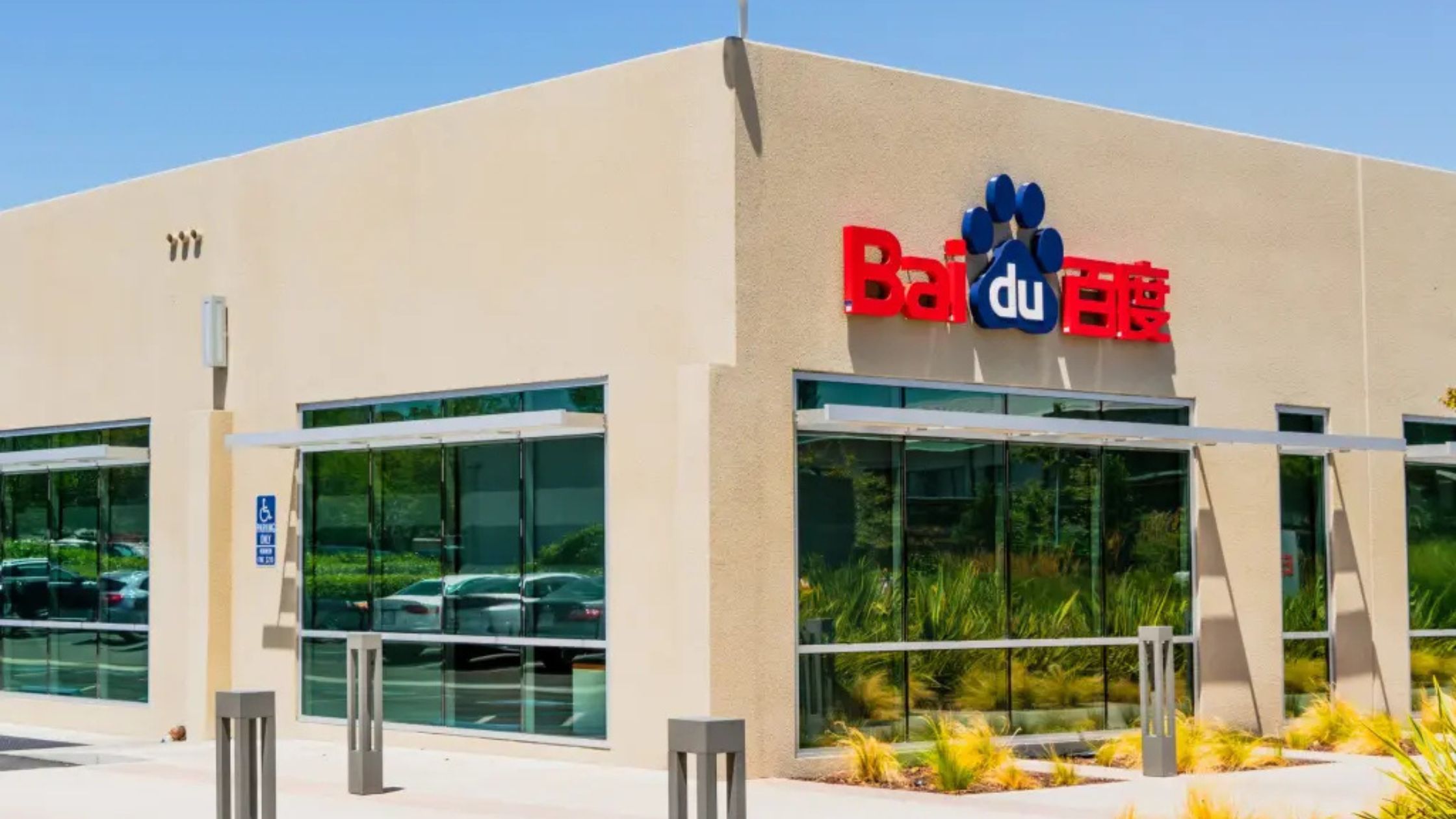
Baidu-Backed BioMap Files Confidentially for Hong Kong IPO, Signaling AI Biotech Ambitions
 by
by

BioMap’s reported filing highlights growing investor interest in AI-driven life sciences, while raising questions about commercial viability and market timing in Hong Kong’s IPO landscape.
BioMap, an artificial intelligence-driven life sciences company backed by Baidu, has confidentially filed for an initial public offering (IPO) in Hong Kong, according to reports on March 16. The company is said to be seeking to raise several hundred million dollars, although details including valuation, financial performance, and listing timeline have not been disclosed. The confidential nature of the filing suggests that plans remain preliminary and subject to market conditions.
While the move is still at an early stage, it reflects a broader trend of Chinese deep-tech companies turning to Hong Kong as a preferred listing venue.
Founded in 2020, BioMap operates in a relatively new category that combines artificial intelligence with biological research. The company focuses on using large-scale AI models to simulate biological systems—such as proteins and genomes—to accelerate drug discovery and development.
Its core platform, often referred to as BioMap OS, is designed to reduce the time and cost associated with traditional pharmaceutical research. The company has reportedly worked with hundreds of research institutions and multiple enterprise partners, indicating early commercial engagement.
However, like many AI-driven biotech firms, BioMap operates in a space where scientific promise does not always translate into predictable revenue or near-term profitability.
Strategic Backing—and Pre-IPO Ownership Changes
BioMap’s link to Baidu has been a defining part of its early development. In its initial phase, Robin Li reportedly held around 40% of the company through direct and indirect stakes.
However, corporate records show that BioMap’s domestic operating entity underwent a registration change in September 2025, with Li and related Baidu entities no longer appearing on the direct shareholder list. Ownership was instead transferred to a holding structure.
Such restructuring is typically associated with IPO preparation, as companies streamline their ownership and governance frameworks ahead of listing.
Baidu’s Expanding AI Ecosystem
BioMap’s reported IPO filing adds to a broader trend of Chinese technology and biotech firms turning to Hong Kong for listings.
The city has increasingly positioned itself as a capital market for:
- Biotech companies with limited near-term profitability
- AI-driven and deep-tech firms
- Mainland Chinese companies seeking international investors
For BioMap, Hong Kong offers a familiar regulatory environment combined with access to global capital. However, investor sentiment toward research-intensive companies remains selective, particularly in sectors where commercial outcomes are still evolving.
The move also reflects how Baidu’s AI strategy is extending beyond its core digital businesses into areas such as healthcare and life sciences.
By backing companies like BioMap, Baidu is effectively exploring how its AI capabilities can be applied to complex, data-intensive industries. A successful listing could help surface value from these efforts while demonstrating broader commercial use cases for AI technologies.
This approach aligns with a wider industry shift, where major technology firms are deploying AI across sectors rather than confining it to consumer or enterprise software.
Investor Sentiment Remains Measured
Despite the strategic narrative, market reaction has been cautious. Reports indicate that Baidu’s shares saw a modest decline following news of the filing, suggesting that investors may be weighing the risks associated with AI-driven biotech ventures.
Key uncertainties include:
- The scalability of AI-led drug discovery models
- The time required to generate meaningful revenue
- The broader funding environment for biotech IPOs
Without disclosed financials, it remains difficult to assess BioMap’s readiness for public markets.
BioMap’s confidential IPO filing points to increasing confidence among AI-driven life sciences companies in accessing public capital. It also reinforces Hong Kong’s role as a listing venue for emerging technologies.
However, the development remains an early signal rather than a definitive shift. Much will depend on whether BioMap proceeds with the listing, how it is valued, and how investors respond once more details become available.
For now, the filing highlights a broader transition underway—where AI is moving beyond software and into complex, capital-intensive sectors like biotechnology. Whether this transition can deliver consistent commercial outcomes remains an open question.
Quick Takeaways
- BioMap has confidentially filed for a Hong Kong IPO, signaling early steps toward public listing, though key details remain undisclosed.
- The company sits at the intersection of AI and biotechnology, using large-scale models to accelerate drug discovery—an area gaining investor attention but still commercially uncertain.
- The move reinforces Hong Kong’s role as a preferred listing venue for Chinese deep-tech and biotech firms seeking access to global capital.
- Backing from Baidu highlights how major tech firms are extending AI into life sciences and healthcare applications.
- Investor sentiment remains cautious, reflecting concerns around scalability, long development timelines, and limited visibility into financial performance.
- The filing is an early signal rather than a confirmed listing, with execution, valuation, and market conditions likely to determine whether the IPO proceeds.
Similar Articles