AsiaTechDaily – Asia's Leading Tech and Startup Media Platform

Southeast Asia’s Beauty Boom Is Creating a New Demand for Product Intelligence
 by
Byungho Lim
by
Byungho Lim

As social commerce, cross-border beauty and AI reshape how consumers discover products, technology is emerging to help them understand what they are actually buying.
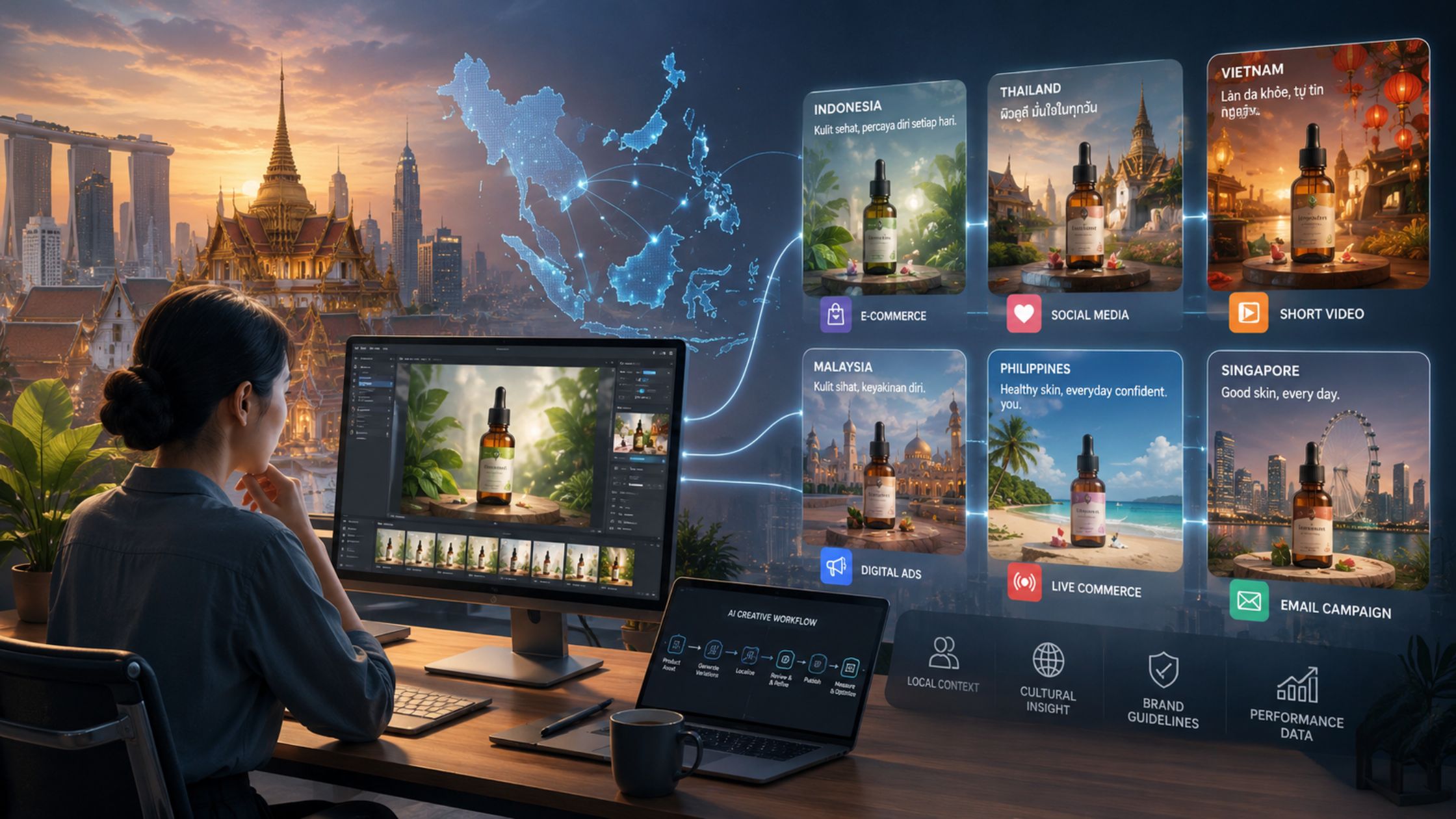
Southeast Asia’s beauty market is entering a phase where the challenge is no longer simply getting consumers to discover products. It is helping them make sense of the enormous amount of information surrounding those products. Beauty e-commerce across Indonesia, Thailand and Vietnam generated $4.33 billion in combined beauty-only GMV on one major regional marketplace between April 2025 and March 2026. Yet the three markets showed markedly different category structures, highlighting how fragmented consumer preferences remain across Southeast Asia.
At the same time, Southeast Asia’s broader platform e-commerce market reached $157.6 billion in GMV in 2025, nearly tripling from 2020, with content commerce and AI increasingly reshaping how consumers find and evaluate products. The result is a new information problem. A consumer can discover a serum, sunscreen or cosmetic product through a creator or marketplace within seconds. Understanding its ingredients, safety considerations, claims, certifications and suitability can take considerably longer. That gap is creating demand for a new layer of product intelligence.
Consumers Are Looking Beyond the Product Claim
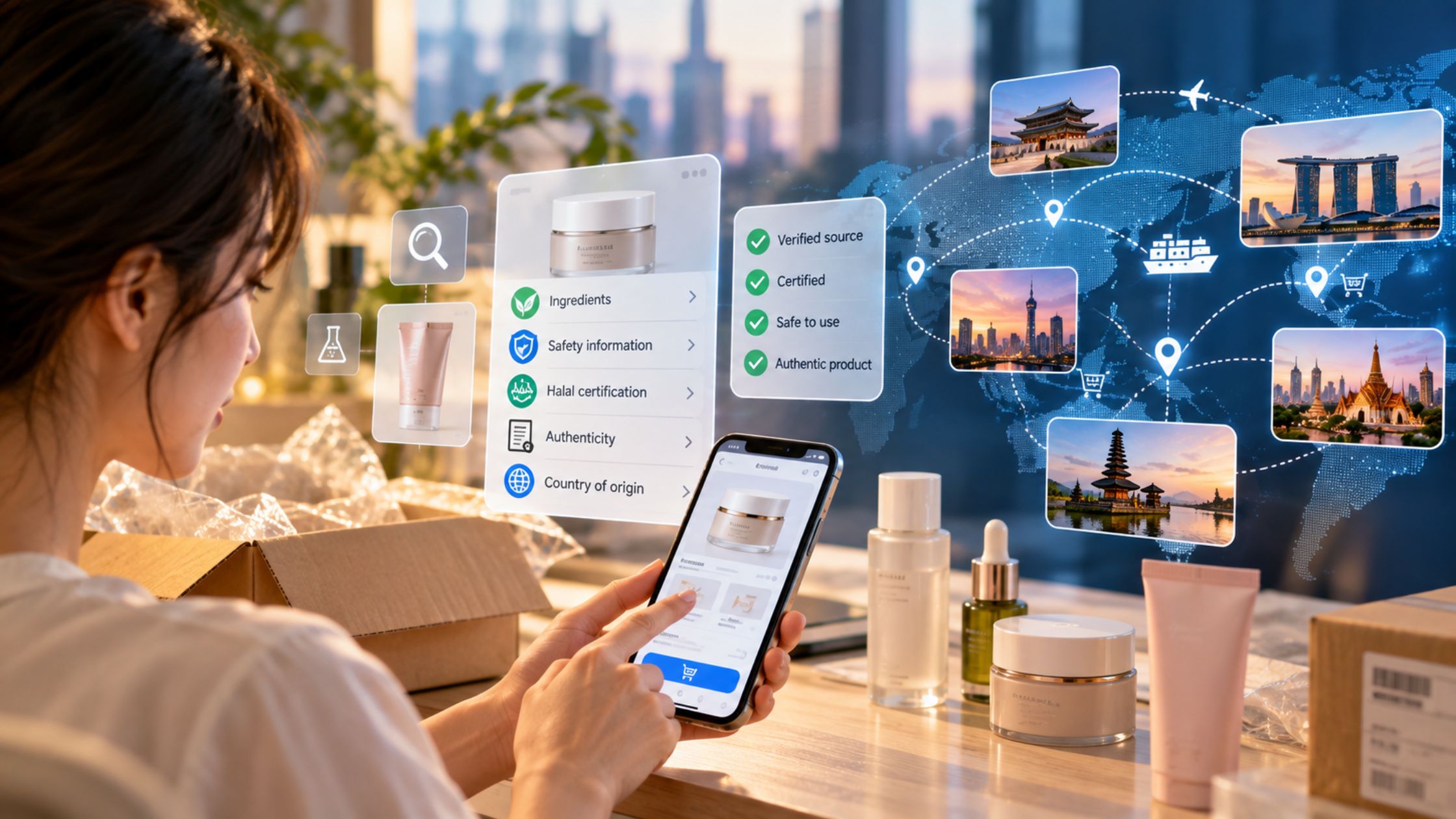
Beauty consumers in Southeast Asia are becoming more attentive to what sits behind the marketing. A Milieu Insight study across Thailand, Malaysia and the Philippines found that 58% of consumers look into ingredient details when shopping for skincare and makeup. The research identified transparency, safety and ingredient awareness as important elements of the region’s growing interest in clean beauty. This shift extends beyond the clean-beauty conversation. Consumers may want to know whether an ingredient can cause irritation, whether a product contains potential allergens, where an ingredient originates, or whether a particular certification or claim is relevant to them.
While conversing with AsiaTechDaily, Ilham Lahreche, Founder and CEO of Bare Halal, described this changing consumer behavior:
“From what I observe, they care about both halal compatibility and safety. They want to know what ingredients are, where they come from, and whether there are concerns linked to irritation, allergens or other potential risks.”
The broader significance of this observation is that consumers are increasingly asking questions that conventional product pages were not necessarily designed to answer.
Social Commerce Has Made Discovery Faster Than Verification
The problem is becoming more pronounced as beauty discovery moves toward social and content-led commerce. Southeast Asia’s content commerce ecosystem has expanded rapidly, with platforms increasingly combining entertainment, creator recommendations and transactions. Momentum Works identifies content commerce and AI as structural shifts reshaping the region’s e-commerce landscape. This compresses the consumer journey from discovery to purchase. A creator can introduce a product, demonstrate it and direct viewers to a checkout page without the consumer ever visiting the brand’s website or researching the product independently.
That creates an important distinction between product discovery and product understanding. The first is becoming increasingly sophisticated. The second remains fragmented across ingredient lists, brand claims, regulatory databases, certification systems, reviews and third-party sources. For beauty consumers, this means the technology challenge is moving beyond recommendation. It is increasingly about interpreting product information.
Regulation Is Making Product Data More Important
The regulatory environment is adding another layer of complexity. The ASEAN Cosmetic Directive has established a harmonized framework covering areas such as cosmetic labeling, claims, product notification, safety assessment, ingredients and post-market surveillance. Its prohibited, restricted and permitted ingredient annexes were updated in June 2026.
But harmonization does not eliminate market-specific requirements. Indonesia, for example, is expanding mandatory halal certification to cosmetics and other product categories from October 18, 2026. For brands selling across Southeast Asia, understanding not only what is in a product but also how that information maps to different market requirements is becoming increasingly important.
The scale of online beauty commerce also creates a consumer-protection challenge. Indonesia’s BPOM reported finding more than 2.1 million pieces of non-compliant cosmetics during its 2026 intensified surveillance. It also identified 9,042 online links violating cosmetic distribution requirements, while beauty, personal-care and skincare products generated Rp35.61 trillion in TikTok Shop revenue, according to the regulator. This suggests product intelligence could become more than a personalization tool. It could increasingly function as part of the trust, safety and compliance infrastructure surrounding digital commerce.
AI Could Become the Interface for Product Intelligence
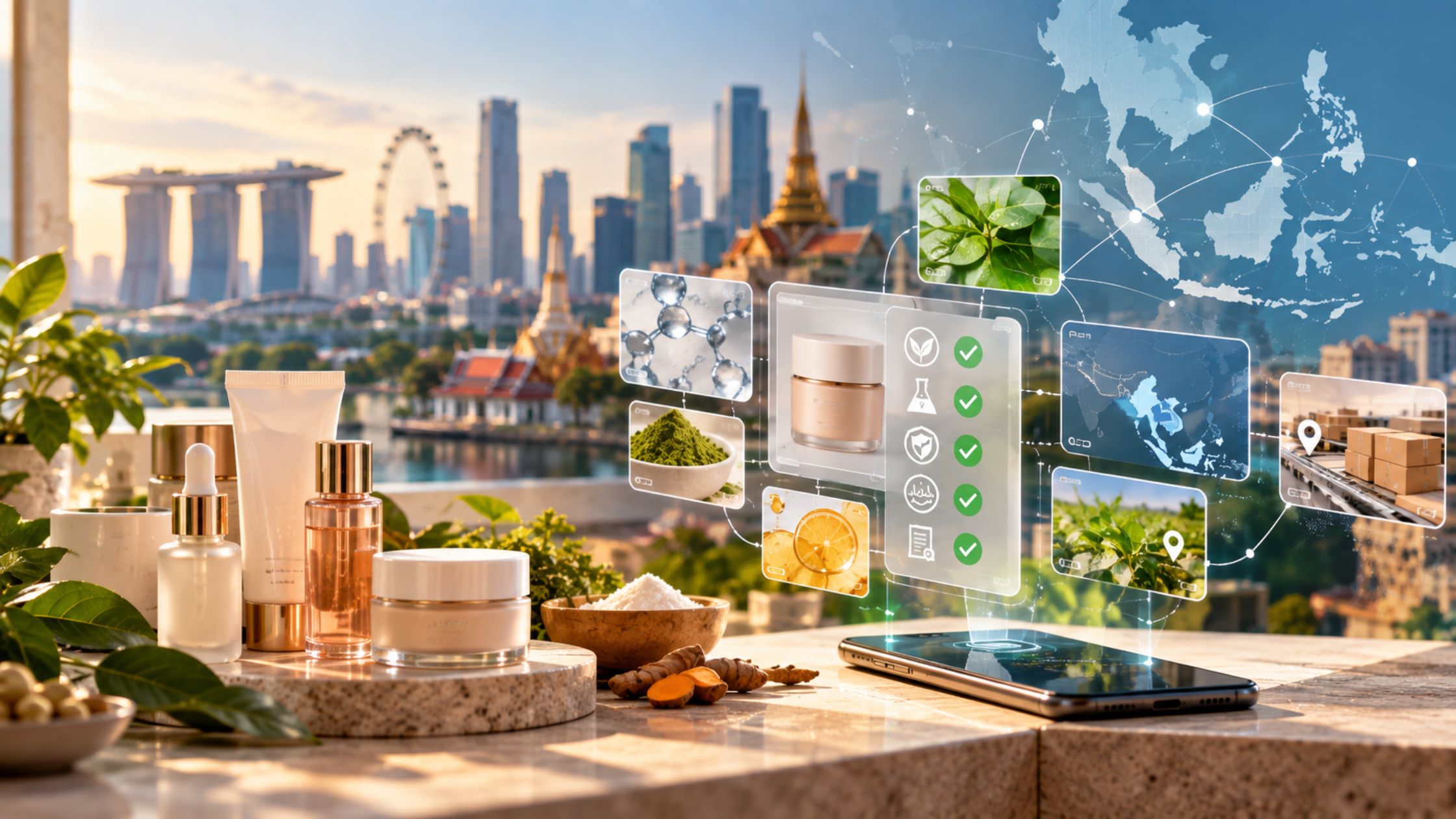
AI is particularly well positioned to address the information problem because consumers do not necessarily want to read regulatory documents or compare dozens of ingredient databases. They want understandable answers. Beauty companies are already moving in this direction. In June 2026, L’Oréal and OpenAI announced a collaboration focused on AI-powered consumer journeys and agentic commerce. Maybelline is bringing virtual makeup try-on into ChatGPT using L’Oréal’s ModiFace technology. The bigger opportunity, however, may not be the AI interface itself.
The defensible technology layer could sit underneath it:
- Structured and continuously updated product databases
- Ingredient and safety intelligence
- Certification and regulatory information
- Product provenance and authenticity data
- Market-specific compliance information
- Historical product and formulation data
AI can make this information conversational, but the quality of the underlying data will determine whether consumers can trust the answers. That distinction is important for startups and investors. The next generation of beauty technology may not be built entirely around virtual try-ons or recommendation engines. It could be built around the data infrastructure that enables AI to understand products accurately.
Southeast Asia’s beauty market illustrates a broader transformation taking place across digital commerce. As products increasingly cross borders and consumers discover them through social platforms, marketplaces and AI systems, product information needs to become more structured, contextual and accessible. The opportunity therefore extends beyond cosmetics. Similar infrastructure could eventually support personal care, wellness, supplements, food and other consumer categories where ingredients, safety, certification and regulatory requirements influence purchasing decisions.
The central shift is from helping consumers find products to helping them understand products. Southeast Asia does not have a shortage of beauty products or channels through which to discover them. What is increasingly scarce is a simple, reliable way to interpret everything consumers need to know before buying them. That makes product intelligence an emerging layer of commerce infrastructure, and Southeast Asia’s beauty boom could be one of the markets where its value becomes most visible.
Quick Takeaways
- Southeast Asia’s beauty market is moving beyond discovery. As e-commerce and social commerce scale, consumers increasingly want to understand what they are buying.
- Ingredient transparency is becoming a consumer priority. Questions around ingredients, sourcing, safety, allergens, irritation and certifications are becoming part of purchasing decisions.
- Social commerce is creating an information gap. Products can be discovered and purchased within seconds, while reliable product verification often requires information from multiple sources.
- Regulation is increasing the importance of structured product data. ASEAN’s cosmetic framework and country-specific requirements, including Indonesia’s expanding halal rules, make market-specific product information more important.
- AI could become the interface for product intelligence. Instead of navigating ingredient lists, certifications and regulatory databases, consumers could increasingly use AI to interpret this information.
- The underlying data may be more valuable than the AI interface. Verified ingredient databases, certification records, safety information, provenance and regulatory data could become important technology infrastructure.
- The bigger opportunity extends beyond beauty. The same product-intelligence infrastructure could eventually serve personal care, wellness, supplements, food and other consumer categories.
- Core thesis: The next beauty-tech opportunity may not be helping consumers discover more products, but helping them understand the products they already have access to.
Similar Articles