AsiaTechDaily – Asia's Leading Tech and Startup Media Platform

Why Retail Is Moving From Transactions to Predictions
 by
by

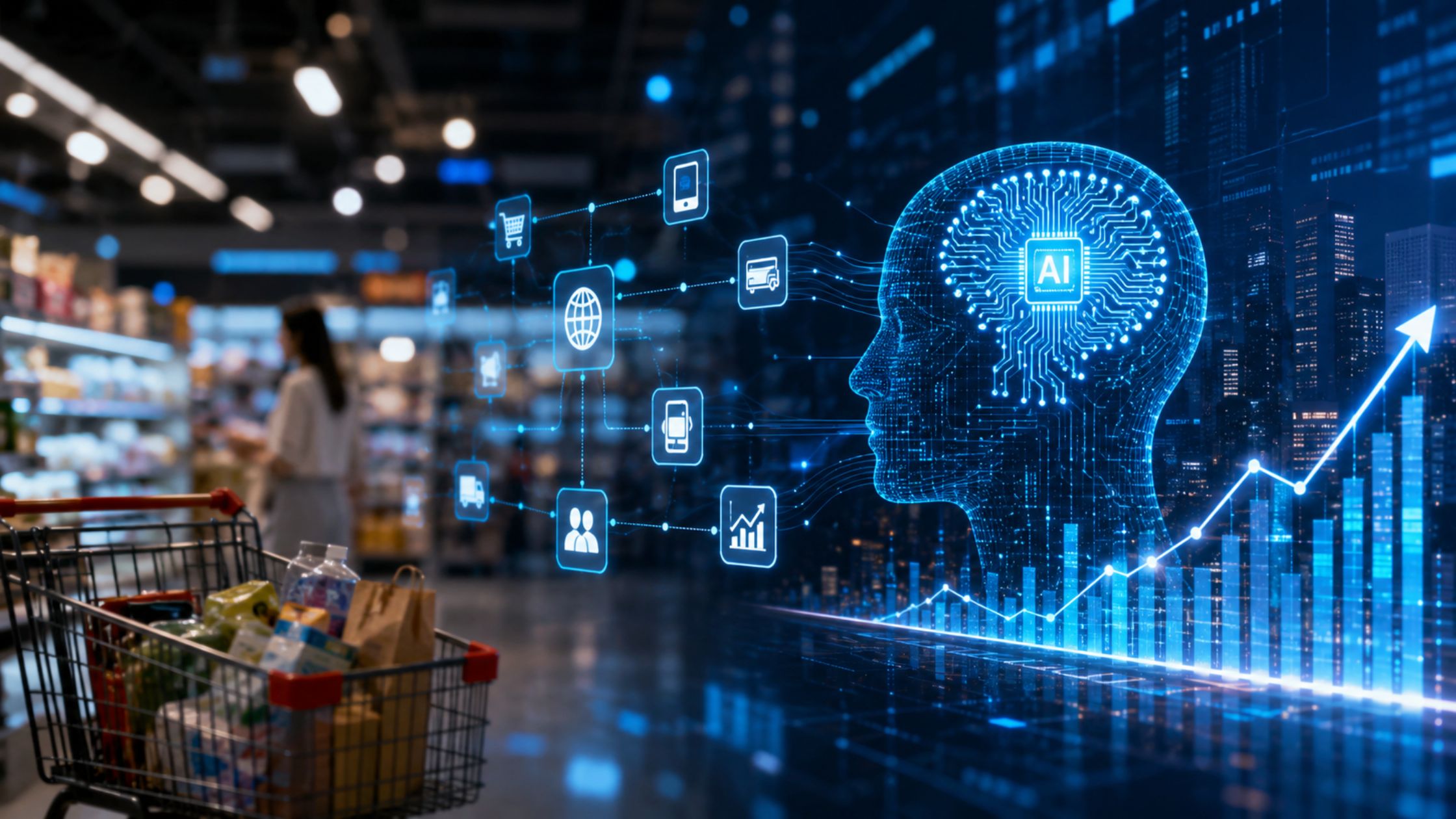
Artificial intelligence, behavioral analytics, and real-time consumer intelligence are transforming retail from a business that measures past purchases into one that anticipates future demand. As shopping journeys become increasingly fragmented across digital channels, prediction is emerging as the industry’s next competitive advantage.
For decades, retailers built their strategies around understanding what consumers had already purchased. Sales reports, loyalty programs, market share analysis, and historical trends shaped decisions on pricing, inventory, promotions, and product development. Success largely depended on analyzing transactions after they occurred.
That model is rapidly changing. Across Asia, consumers are shopping differently than they did even a few years ago. They move seamlessly between social media, online marketplaces, search engines, physical stores, and increasingly AI-powered shopping experiences. Instead of following a predictable purchase journey, consumers often discover products, compare alternatives, read reviews, evaluate prices, and complete purchases almost simultaneously. According to Deloitte, AI-assisted commerce is expected to fundamentally reshape how consumers search for and purchase products, while retailers are increasingly investing in predictive technologies that enable faster and more personalized decision-making.
This shift is transforming retail itself. Rather than asking what customers bought yesterday, retailers are increasingly focused on predicting what they are likely to buy next. Artificial intelligence, predictive analytics, consumer intelligence platforms, and commerce infrastructure are becoming central to everything from inventory planning and demand forecasting to pricing optimization and marketing performance. In this new environment, competitive advantage is increasingly determined by the ability to anticipate consumer behavior before purchasing decisions are made.
The Consumer Journey Is No Longer Linear
One of the biggest drivers behind this transformation is the collapse of the traditional purchase funnel. For years, retailers viewed consumer behavior as a sequence of distinct stages: awareness, consideration, comparison, and finally purchase. Digital commerce has blurred those boundaries.
Today’s consumers often discover products through social media, compare prices across multiple marketplaces, consult AI assistants, read online reviews, and complete purchases within minutes. The growing integration of search, commerce, content, and artificial intelligence means purchasing decisions increasingly happen in real time rather than through carefully staged marketing funnels.
South Korea illustrates this broader shift particularly well. According to the latest FMCG Market Changes and Strategic Outlook for 2026 report from Worldpanel by Numerator, rising living costs, smaller households, digital commerce, and changing lifestyles are fundamentally reshaping purchasing behavior. Market growth is increasingly driven not by higher consumption volumes but by changing shopping habits, online channel adoption, and more selective spending. These changes reflect a broader reality affecting retailers across Asia: understanding consumer behavior has become significantly more complex.
Retailers Are Learning to Predict Rather Than React
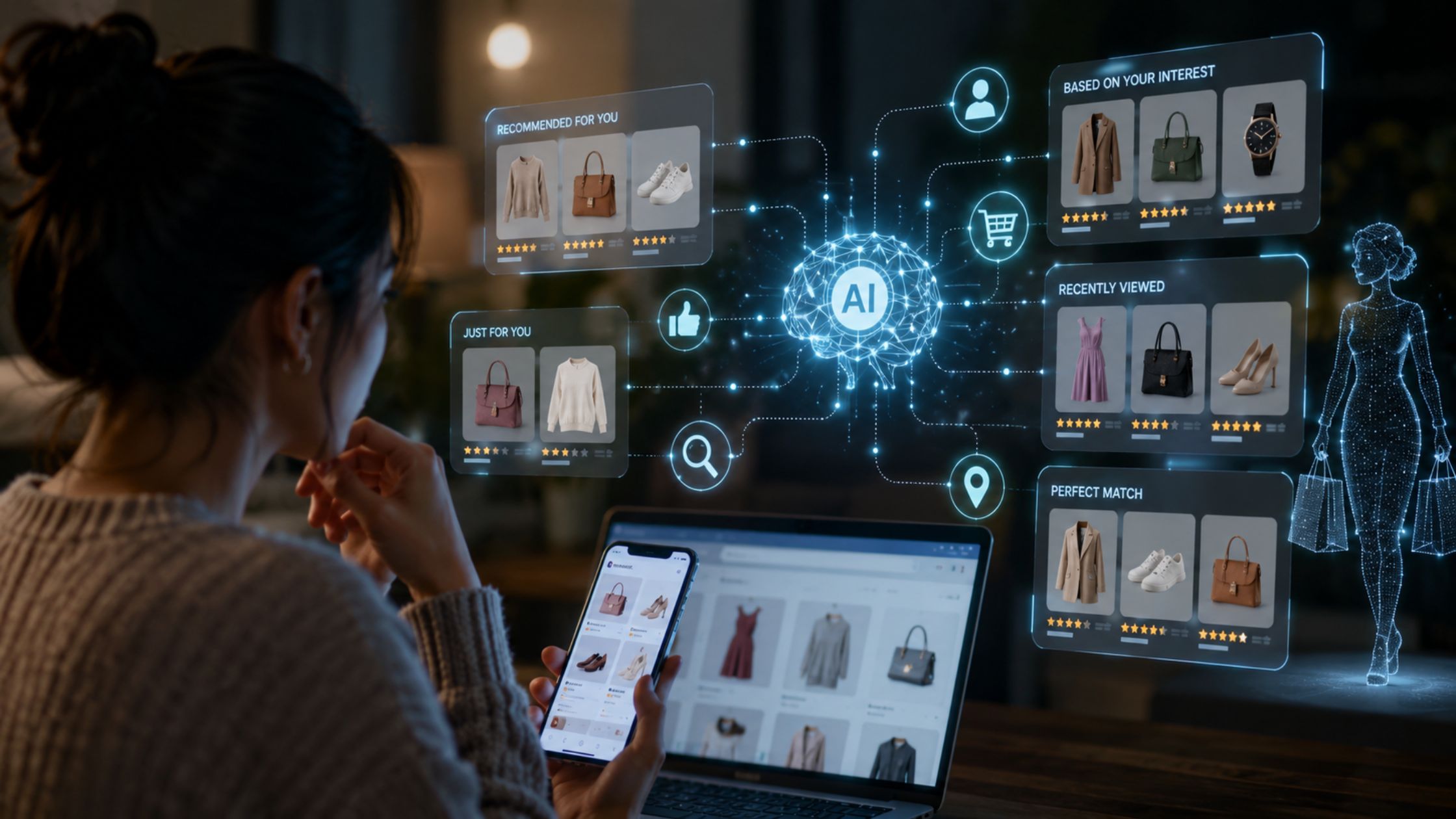
As consumer journeys become increasingly dynamic, retailers are investing in technologies capable of interpreting behavioral signals before transactions occur. Rather than relying solely on historical sales reports, businesses increasingly combine real-time shopping behavior, digital engagement, first-party data, and predictive analytics to improve operational decisions across the value chain.
While conversing with AsiaTechDaily, Youngmi Lee, Managing Director for South Korea at Worldpanel by Numerator, explained that the opportunity lies not simply in adopting new technologies, but in helping businesses translate rapidly changing consumer behavior into actionable decisions.
“Consumers are living in a hyper-connected environment, with access to more information and more choices than ever before. As a result, the market is shifting from being brand-centric to consumer-centric, and the traditional purchase journey is changing rapidly, with search, comparison, and purchase increasingly happening at the same time. This creates complexity for brands and retailers, but it also creates new opportunities for technology-driven companies. Rather than commenting on the success potential of individual startups or specific technologies, we see opportunities in areas that help solve practical problems faced by FMCG companies.
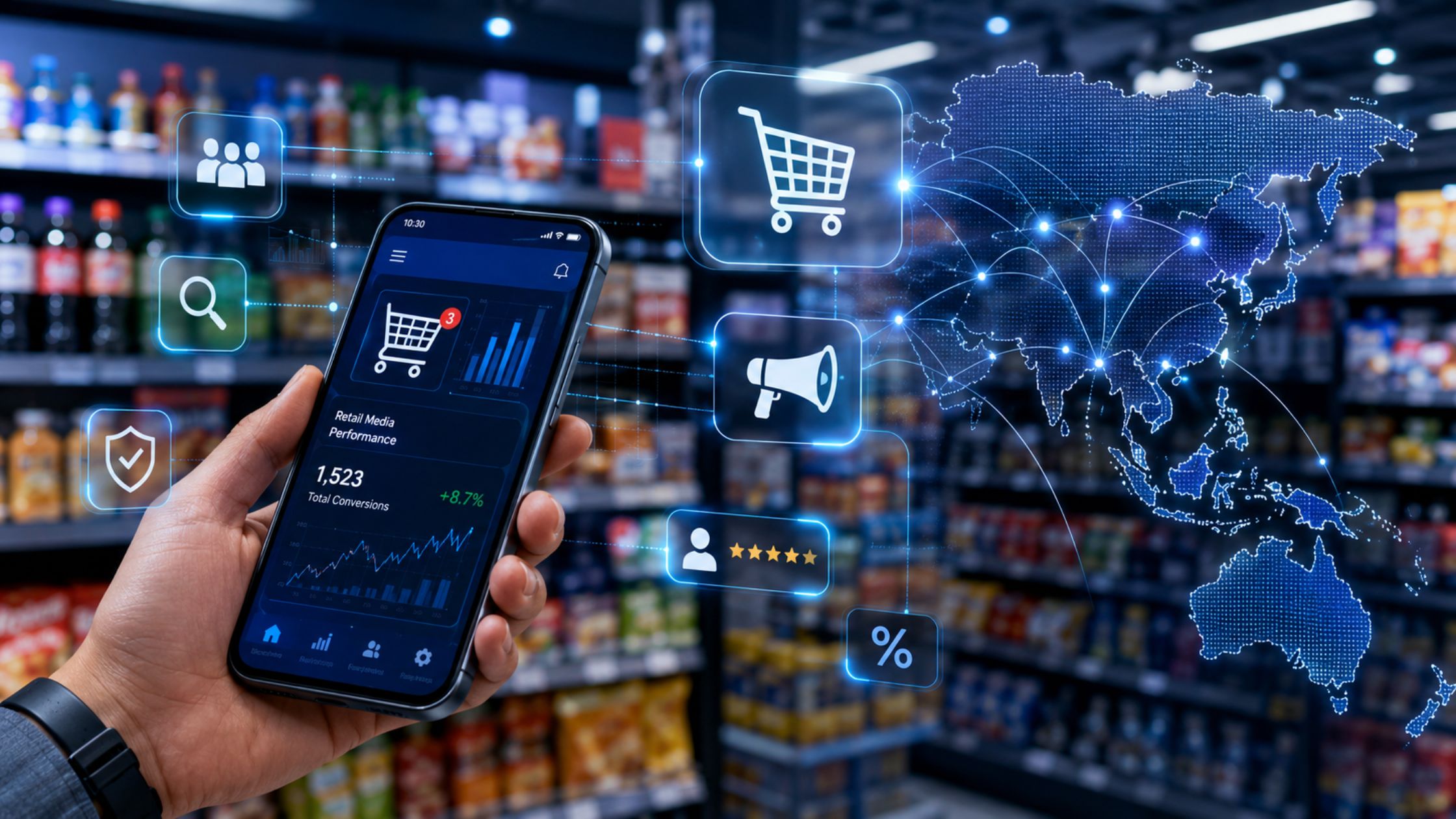
For example, consumer segmentation, demand forecasting, price and promotion effectiveness analysis, online product visibility optimization, and retail media performance measurement are all areas that may become more important. The key is not simply how innovative the technology is, but how effectively it can translate fast-changing consumer purchase behaviour into practical business decisions.”
Her observations reflect an important shift taking place across the retail industry. Increasingly, the value of AI is measured less by automation itself and more by its ability to improve business decisions before consumers reach the checkout.
The Era of the Average Consumer Is Ending
The growing complexity of retail also reflects the fragmentation of modern consumers. Traditional demographic categories such as age, income, or family size are becoming less reliable predictors of purchasing behavior. Consumers increasingly organize their spending around lifestyles, convenience, health priorities, digital habits, household composition, and personal values.
South Korea’s evolving FMCG market provides a clear example. Single-person households continue expanding rapidly, driving higher demand for ready-to-eat meals, convenience products, and digitally enabled shopping experiences. At the same time, premium personal care, functional pet products, and specialized consumer categories continue to grow despite broader economic pressures.
The implication for retailers is significant. Rather than serving broad market segments, businesses increasingly need to understand thousands of smaller behavioral patterns that continuously evolve across channels and product categories. This growing fragmentation is making predictive analytics far more valuable than traditional market averages.
AI Is Becoming Retail’s Decision Engine
Much of the public conversation around artificial intelligence focuses on customer-facing applications such as chatbots, recommendation engines, and conversational shopping assistants. Within retail organizations, however, AI is increasingly serving a different role. It is becoming an operational decision engine. Retailers now deploy predictive AI across numerous business functions, including:
- Demand forecasting and inventory optimization.
- Dynamic pricing and promotion planning.
- Consumer segmentation and personalization.
- Product visibility optimization across digital marketplaces.
- Retail media measurement and marketing effectiveness.
Instead of replacing human decision-makers, these systems increasingly help businesses evaluate millions of consumer interactions, identify emerging purchasing patterns, and allocate resources more efficiently. This evolution is particularly important as retailers operate across increasingly fragmented omnichannel environments where purchasing behavior changes rapidly and historical trends alone no longer provide sufficient guidance.
Prediction Is Becoming Retail’s New Competitive Advantage
The technologies reshaping retail today share one common objective: improving the ability to anticipate future demand rather than simply explaining past performance. This represents a fundamental change in how competitive advantage is created. Historically, retailers competed primarily through store locations, pricing strategies, product assortment, or brand recognition. While those factors remain important, they are increasingly complemented by an organization’s ability to predict demand with greater speed and accuracy.
For startups, this creates opportunities well beyond consumer-facing shopping applications. Companies developing predictive analytics, retail AI, commerce infrastructure, pricing intelligence, demand forecasting, retail media measurement, and behavioral analytics are becoming essential components of modern commerce ecosystems. As retailers continue investing in digital transformation, these technologies are increasingly moving from optional innovation to core business infrastructure.
Retail is undergoing one of its most significant transformations since the rise of e-commerce. The industry’s focus is shifting from recording transactions to anticipating them, driven by increasingly fragmented consumer behavior, AI-powered analytics, and real-time decision intelligence. For businesses, success will depend less on understanding what customers purchased yesterday and more on predicting what they are likely to need tomorrow. That requires moving beyond traditional retail metrics toward deeper behavioral insights, continuous data analysis, and technologies capable of translating millions of consumer signals into actionable decisions.
For Asia’s startup ecosystem, this shift opens a new frontier of opportunity. The next generation of retail innovation may not be defined by another marketplace or shopping app, but by the intelligence layer that enables retailers to forecast demand, optimize operations, and respond to consumers before purchasing decisions are even made. In the emerging era of predictive commerce, the companies that can transform uncertainty into foresight will be the ones shaping the future of retail.
Quick Takeaways
- Retail is shifting from measuring transactions to predicting consumer behavior. AI, predictive analytics, and real-time consumer intelligence are enabling retailers to anticipate demand, optimize pricing, and improve operational decisions before purchases are made.
- The traditional purchase journey is collapsing. Consumers increasingly search, compare, and buy across multiple digital touchpoints simultaneously, making linear marketing funnels less relevant and increasing the need for real-time decision-making.
- Exclusive: While conversing with AsiaTechDaily, Youngmi Lee, Managing Director for South Korea at Worldpanel by Numerator, said retailers are moving from brand-centric strategies to consumer-centric decision-making, creating opportunities for technologies focused on demand forecasting, consumer segmentation, price optimization, online product visibility, and retail media measurement.
- The ‘average consumer’ is disappearing. Smaller households, digital-first lifestyles, personalized spending, and fragmented shopping behaviors are making traditional demographic segmentation less effective, increasing demand for AI-powered behavioral insights.
- Retail AI is becoming an operational decision engine. Beyond chatbots and recommendation systems, AI is increasingly supporting inventory planning, demand forecasting, promotion effectiveness, pricing strategies, and supply chain optimization.
- Prediction is emerging as retail’s next competitive advantage. As commerce becomes increasingly data-driven, retailers that can accurately anticipate consumer behavior will be better positioned to improve efficiency, personalize experiences, and respond faster to changing market conditions.
- The shift creates significant opportunities for startups. Companies building predictive analytics, consumer intelligence platforms, commerce infrastructure, retail media measurement, and AI-powered decision support are becoming essential enablers of the next generation of retail across Asia.
Similar Articles