AsiaTechDaily – Asia's Leading Tech and Startup Media Platform

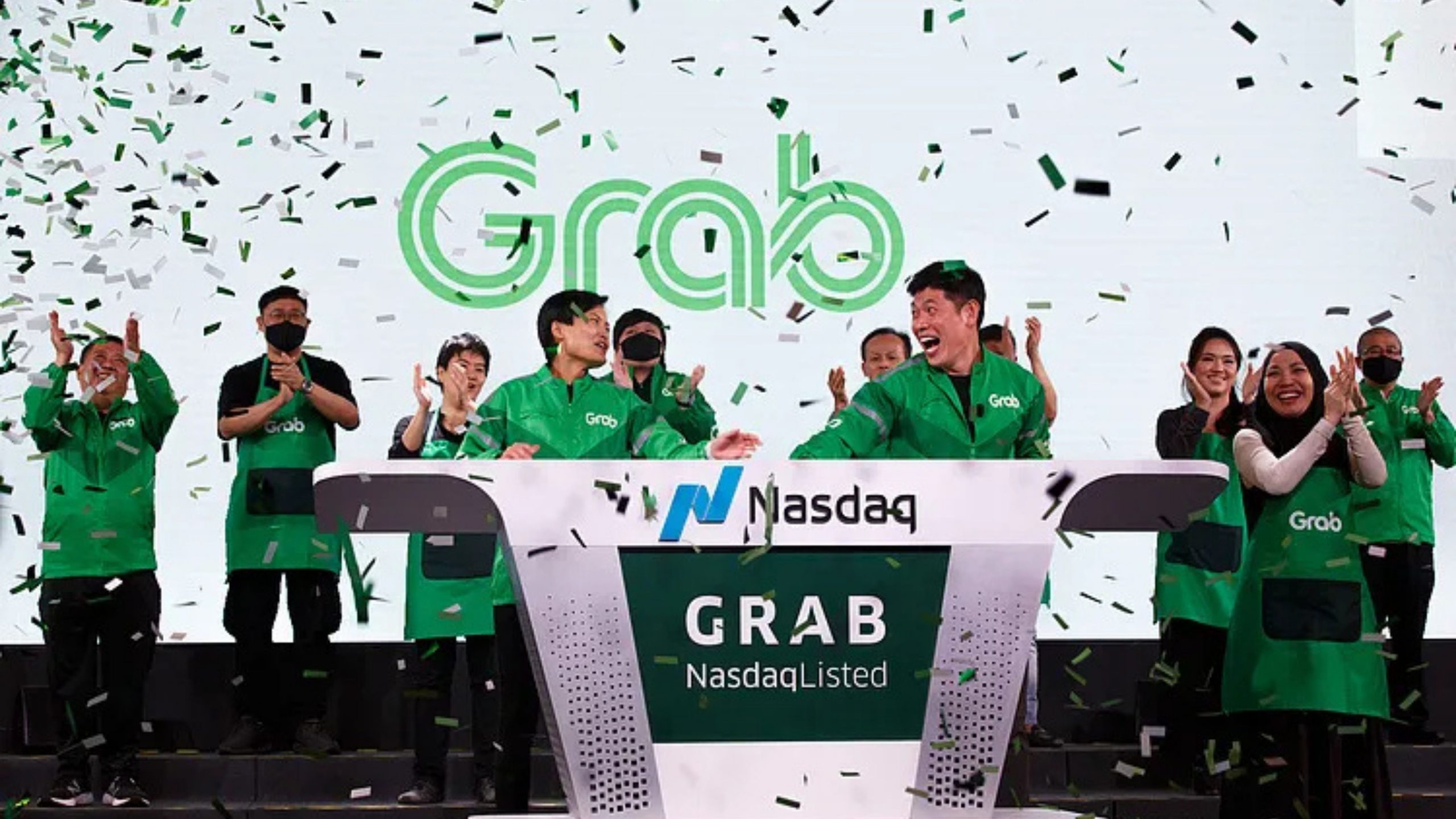
Grab Buys China’s Infermove to Strengthen First- and Last-Mile Delivery
 by
Byungho Lim
by
Byungho Lim

The acquisition of Infermove signals a strategic shift as Southeast Asia’s delivery giant looks to automation to manage costs and scale
Singapore-based Grab Holdings has acquired China-based AI robotics startup Infermove, as it looks to strengthen automation across its delivery operations. The deal, announced on December 19, aimed to improve both first-mile and last-mile logistics—areas that are becoming increasingly critical as on-demand delivery volumes continue to grow across Southeast Asia.
While Grab did not disclose financial terms, the acquisition marks a clear strategic move rather than a purely experimental one. Delivery efficiency, labour availability, and cost control have emerged as persistent challenges for large platforms, and robotics is now being positioned as a potential long-term solution rather than a pilot technology.
Focus on Delivery Automation
First-mile and last-mile delivery account for a significant share of logistics costs, particularly in dense urban environments. For platforms like Grab, which operate at scale across multiple markets, even small efficiency gains can have an outsized impact on margins and service reliability.
In a statement to Reuters, Grab said it plans to further develop Infermove’s technology out of Singapore and explore how autonomous robots can enhance both customer and partner experiences. The focus is not just speed, but also consistency—reducing dependence on fluctuating labour supply while maintaining service quality.
Infermove’s Existing Deployments
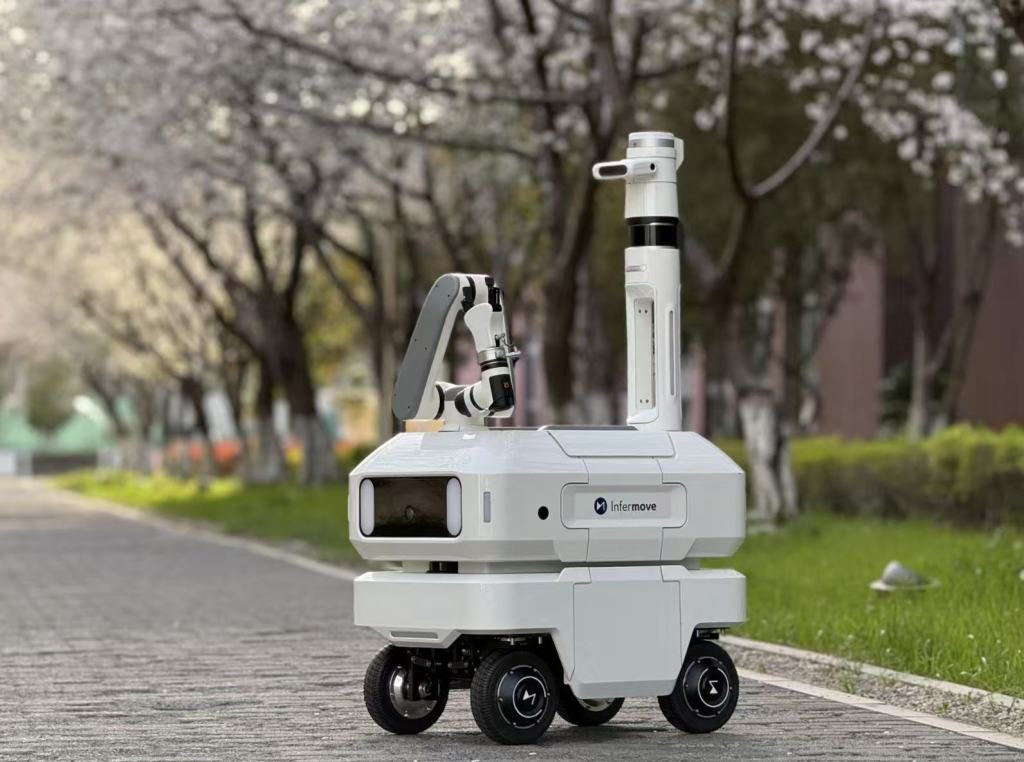
Founded in 2021, Infermove develops AI-powered autonomous driving systems and delivery robots designed to operate in complex, unstructured environments. Unlike controlled warehouse robotics, last-mile delivery requires systems that can navigate sidewalks, obstacles, and unpredictable human behaviour.
Infermove’s robots are in active use with several large delivery operators in China, such as Meituan, Ele.me, and Sam’s Club, and the company has also carried out pilot programs in markets including Singapore, Japan, and Australia. These real-world deployments set Infermove apart from many robotics startups whose technology remains largely confined to testing environments.
Infermove’s Background and Commercial Progress
Before the acquisition, Infermove had raised at least US$3.3 million from investors and was valued at about US$33 million in 2024. Market sources indicated it was seeking a higher valuation—at least US$50 million—in a new funding round prior to the Grab deal.
Despite its short operating history, the company has moved quickly from development to deployment. Its revenue has grown sharply in recent years, supported by a growing order pipeline, suggesting that demand for delivery robotics is moving beyond pilots into early-scale adoption.
Operational Structure After the Acquisition
Grab’s chief technology officer, Suthen Thomas, told staff that Infermove will continue to operate independently following the acquisition, with founder Aaron Lu remaining in charge. Lu has prior experience in autonomous driving and worked on early fully driverless vehicle programs in the United States.
This structure suggests Grab is aiming to preserve Infermove’s engineering culture and development speed, while integrating its technology into Grab’s broader delivery ecosystem over time rather than forcing immediate operational changes.
Automation Trends in the Delivery Sector
The acquisition comes as delivery platforms face rising labour costs, tighter regulations, and sustained growth in on-demand services. Robotics and AI are increasingly viewed as tools to stabilise operations rather than replace workers outright—handling repetitive or high-friction delivery tasks while human couriers focus on more complex routes.
Industry analysts note that last-mile delivery robotics is becoming a competitive differentiator, with global market growth accelerating as urban delivery volumes rise. For regional players like Grab, the challenge is not just adopting new technology, but deploying it at scale across diverse markets.
Implications for Grab’s Delivery Operations
Grab’s acquisition of Infermove signals a longer-term bet on automation as part of its delivery strategy. The deal does not immediately change how deliveries work, but it positions Grab to experiment, iterate, and eventually deploy robotics where it makes economic sense.
As competition intensifies and margins come under pressure, delivery platforms are being forced to rethink how they operate. In that context, Infermove is less about futuristic robotics—and more about whether automation can quietly become part of the everyday delivery infrastructure in Southeast Asia.
Quick Takeaways
- Grab’s acquisition of Infermove reflects a strategic push toward automation, as delivery platforms look for ways to manage rising costs and growing demand.
- First- and last-mile logistics are becoming a key focus area, where even small efficiency gains can have a meaningful impact at scale.
- Infermove brings proven, in-market robotics technology, with deployments across major Chinese delivery platforms and pilot projects overseas.
- The deal highlights a broader shift in delivery economics, where AI and robotics are moving from pilot experiments to operational tools.
- Execution will be critical, as Grab now faces the challenge of integrating robotics across diverse markets and regulatory environments.
Similar Articles