AsiaTechDaily – Asia's Leading Tech and Startup Media Platform

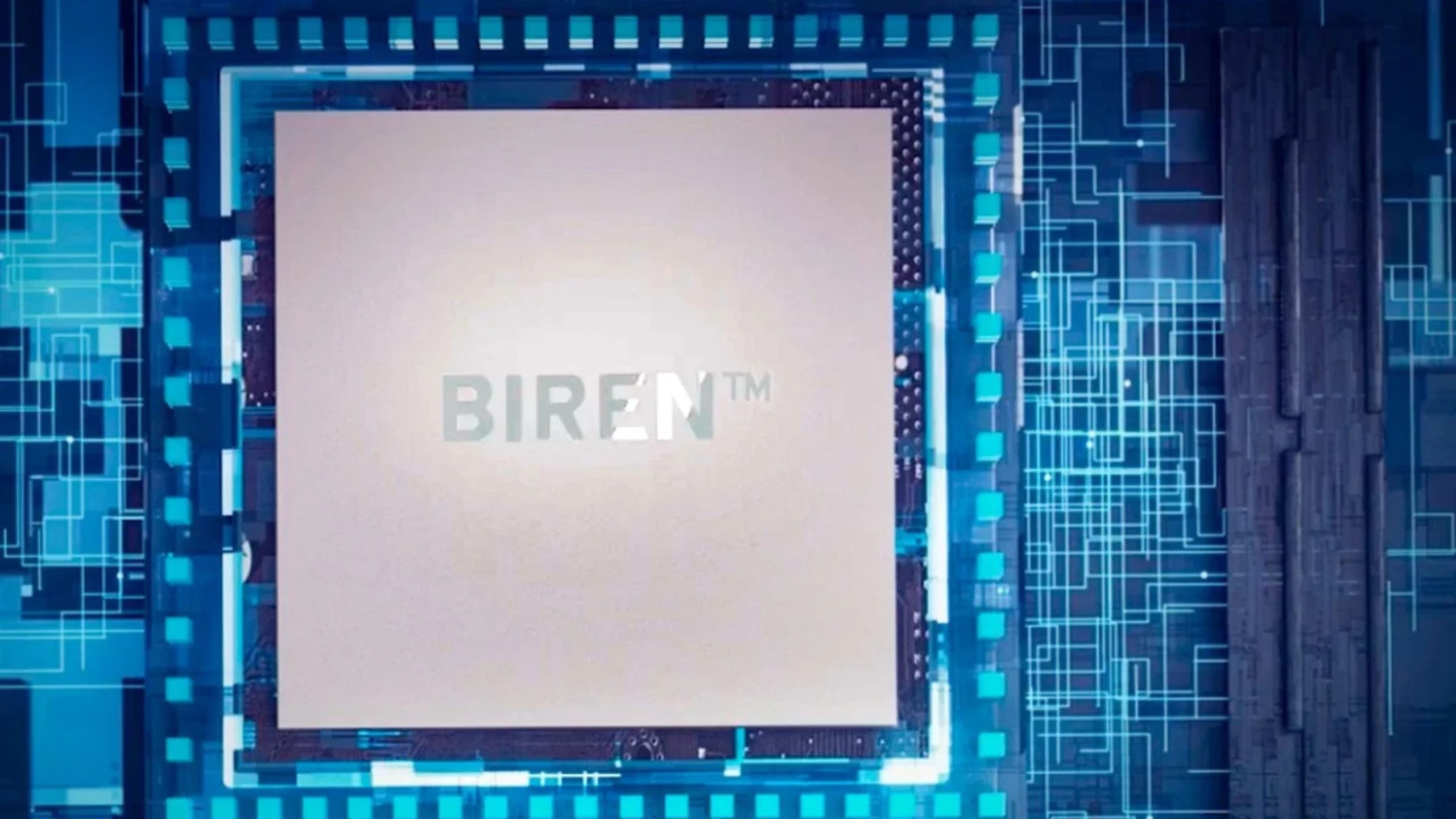
Biren’s Hong Kong IPO Signals a New Phase for China’s Homegrown AI Chipmakers
 by
by

As Beijing clears the listing, investors weigh domestic GPU ambitions against global competition and policy risks
Beijing’s approval of Biren Technology’s plan to list in Hong Kong marks an important moment for China’s artificial intelligence semiconductor sector. With clearance from the China Securities Regulatory Commission, Biren is now positioned to potentially become the first GPU developer to go public in Hong Kong, at a time when investor interest in AI hardware remains strong.
The move comes as Chinese chipmakers increasingly turn to public markets to fund capital-intensive research and production. It also reflects Beijing’s preference for Hong Kong as a listing venue for strategically important technology firms, offering access to international investors while remaining within a China-aligned regulatory framework.
Capital raising amid a crowded AI chip race
Founded in 2019, the Shanghai-based startup designs high-performance graphics processing units used in AI training and inference. Biren is expected to raise around US$300 million, issuing new shares in Hong Kong while converting part of its existing mainland shareholding into Hong Kong-listed stock. Trading could begin as early as January, according to market expectations.
This capital raise comes as Chinese AI chip companies face rising costs and intensifying competition. GPUs require heavy upfront investment, long development cycles, and access to advanced manufacturing—making external funding critical, particularly for firms operating under export restrictions.
Riding the momentum of local AI chip listings
Biren’s IPO follows a wave of listings by Chinese AI semiconductor peers, driven by demand for alternatives to U.S.-made chips. Recent debuts have attracted strong retail and institutional interest, with shares of Moore Threads jumping more than 400% on its first day of trading in Shanghai earlier this month.
Such performances have boosted confidence that domestic investors are willing to back China’s push for semiconductor self-sufficiency. However, market enthusiasm also raises expectations, placing pressure on newly listed firms to demonstrate real commercial traction rather than just strategic importance.
Founders, technology, and early attention
Biren was co-founded by Zhang Wen, a former executive in China’s AI sector, and Jiao Guofang, who previously worked at Qualcomm and Huawei. The company drew widespread attention in 2022 after unveiling its BR100 GPU, which it said could rival high-end AI processors from Nvidia.
Those claims placed Biren at the centre of China’s GPU ambitions, but they also increased scrutiny around performance, supply chains, and scalability—areas where domestic players continue to face structural challenges.
Export controls reshape the playing field
In 2023, Biren was added to a U.S. trade restriction list, limiting its access to certain overseas chipmaking services. The restrictions highlighted a core vulnerability shared by many Chinese chip startups: dependence on advanced global foundries.
At the same time, the move reinforced Beijing’s resolve to develop domestic GPU capabilities, viewing AI chips as strategic infrastructure for national competitiveness. For companies like Biren, this has meant closer alignment with state policy—but also operating under tighter technical constraints.
State-linked capital and long-term backing
Before a funding round in mid-2025, Biren was valued at roughly 14 billion yuan (about US$2 billion). In the first half of 2025, it raised 1.5 billion yuan from investors including government-backed funds in Guangdong and Shanghai, signalling continued policy support.
Its broader shareholder base includes well-known investors such as Qiming Venture Partners, IDG Capital, Hillhouse Venture, the Russia-China Investment Fund, and New World Group. Chinese media estimate Biren has raised more than 5 billion yuan since inception.
This mix of venture and state-linked capital reflects how China is steering private funding toward strategic technology sectors, particularly semiconductors.
Competing in a changing market landscape
Biren is commonly grouped among China’s “four little dragons” of the GPU sector, alongside Moore Threads, MetaX, and Enflame Technology. All are working to reduce domestic reliance on Nvidia, which has long dominated China’s AI chip market.
However, competition is intensifying. Washington’s recent decision to allow Nvidia to resume sales of certain AI chips to China could reshape demand dynamics, forcing local GPU makers to compete not only on availability, but also on performance, ecosystem support, and cost.
A test case for China’s AI hardware ambitions
Biren’s Hong Kong IPO is more than a fundraising event. It will act as a market test for investor confidence in China’s homegrown AI chip strategy under real commercial conditions. Strong demand could reinforce the case for continued public listings by Chinese semiconductor firms, while weaker performance may highlight the gap between policy ambition and market readiness.
As Biren enters the public market, investors will be watching closely—not just for short-term price movements, but for signals on whether China’s GPU challengers can build sustainable businesses in a sector defined by global competition, capital intensity, and geopolitical risk.
Quick Takeaways
- Beijing has approved Biren Technology’s application to pursue an IPO in Hong Kong.
- The Shanghai-based AI chip startup designs high-performance GPUs for artificial intelligence workloads.
- Biren is seeking to raise about US$300 million, with trading potentially starting in January.
- The move comes as Chinese AI semiconductor firms increasingly turn to public markets for funding.
- Biren was added to a U.S. trade restriction list in 2023, limiting access to some overseas chipmaking services.
- The company has raised over 5 billion yuan since its founding and is backed by both venture and state-linked investors.
- Investor attention on domestic GPU makers has increased following strong debuts by local peers in China’s public markets.
Similar Articles