AsiaTechDaily – Asia's Leading Tech and Startup Media Platform

Hyundai Card and CEKAI Bring 3D Motion Design to Physical Credit Cards
 by
Byungho Lim
by
Byungho Lim

The NAVER Hyundai Card Edition3 translates digital motion graphics into three physical card designs, highlighting the manufacturing constraints involved in turning creative concepts into fun ctional financial products.
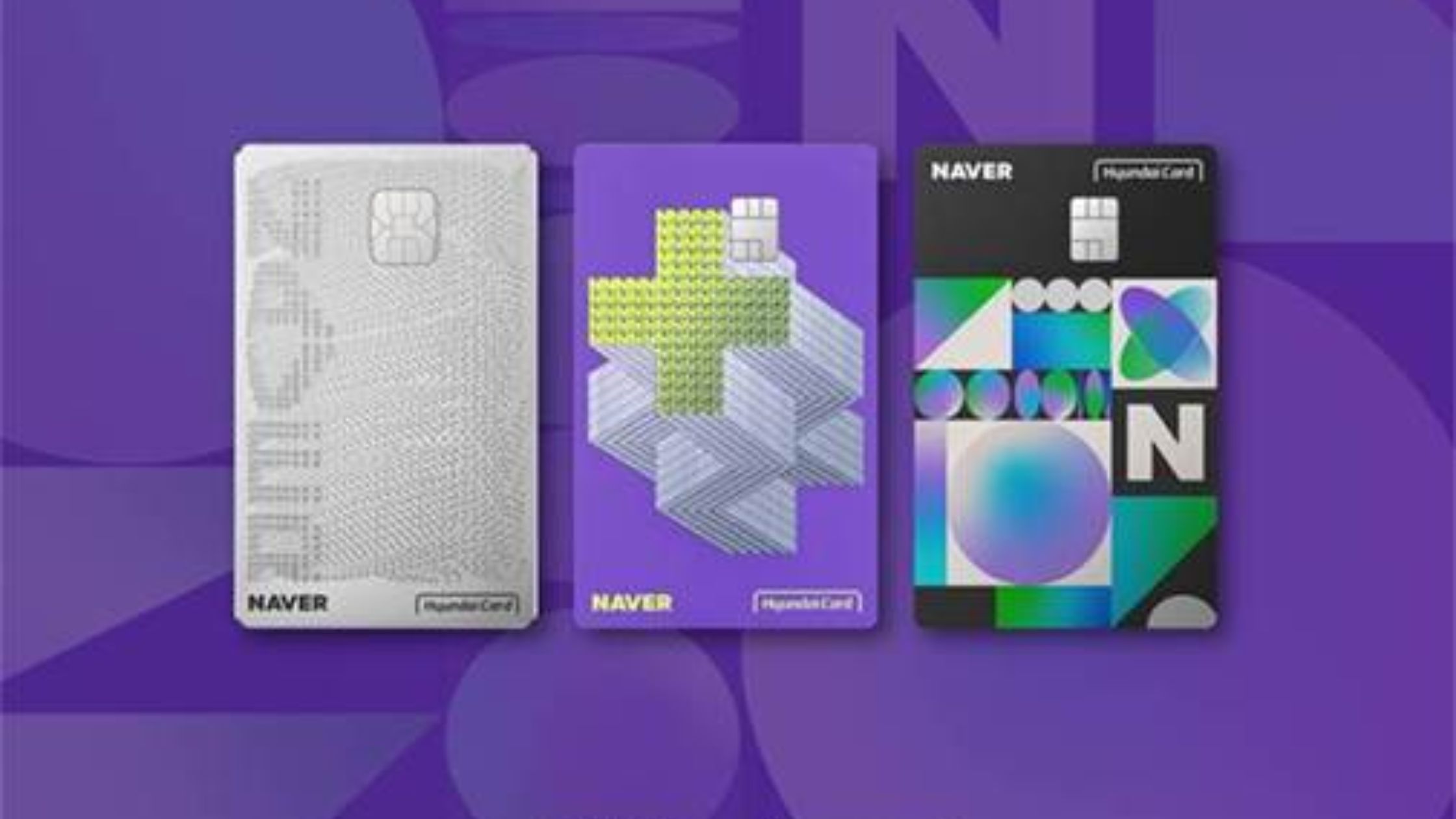
Hyundai Card has launched the NAVER Hyundai Card Edition3, a new credit card series developed in collaboration with New York-Tokyo creative collective CEKAI to translate 3D motion graphics into physical card designs. Announced on October 6, 2026, the series features three card plates developed through more than 100 design iterations, using specialized films and laser processing to reproduce the visual depth and movement typically associated with digital displays.
The project rethinks how a credit card can communicate brand identity through its physical form. Rather than creating a conventional two-dimensional graphic and adding movement afterward, Hyundai Card, NAVER and CEKAI developed the visual design and motion simultaneously, then adapted the resulting concepts to static plastic and metal surfaces. The collaboration began in mid-2025, with Hyundai Card overseeing material selection and manufacturing feasibility, NAVER providing the overarching design direction, and CEKAI leading the creative exploration.
The process also exposed the limits of translating digital effects into a functional payment product. Hyundai Card said the teams explored more than 100 concepts over more than a year, modifying some ideas to accommodate manufacturing and payment requirements. One proposed method, numerical-control (NC) machining, could have created deeper, more reflective patterns on the metal card but risked compromising payment functionality. The final designs instead use specialized production and finishing techniques to convey movement without incorporating moving components.
“Hyundai Card has long viewed physical cards not simply as payment instruments, but as important mediums for expressing brand identity. With the NAVER Hyundai Card Edition3, we explored how the visual language of motion and 3D graphics could be translated into a static physical card,” Hyundai Card said while conversing with AsiaTechDaily.
“Rather than treating the design as a standalone static image, we considered the motion before and after a particular moment and captured that moment in the design. We then applied specialised production and finishing techniques to convey that sense of movement on the physical card, without relying on any actual moving components.”
The collaboration brought together three distinct roles. Hyundai Card led material selection, packaging and physical feasibility, while NAVER provided the overarching design direction through its brand assets. CEKAI received creative freedom within that framework. Known for 3D billboard work for Nike, BMW and Fendi, as well as music videos for artists including RM and Hyukoh, CEKAI brought experience in creating visual effects designed to appear dimensional on digital displays.
More Than 100 Drafts Exposed Manufacturing Trade-Offs
Translating digital imagery into a physical card required sustained experimentation. Hyundai Card said it worked with CEKAI for more than a year, refining over 100 design concepts before selecting three final plates: two plastic and one metal. The process also required compromises. One proposed technique would have created deeper, more reflective patterns on the metal card, but raised concerns about its effect on payment functionality.
“One of the biggest challenges was translating visual effects developed for digital environments into a physical card. To ensure that the graphic concepts would be just as compelling in physical form, we worked closely with CEKAI for over a year, exploring more than 100 design concepts and continuously refining the details,” Hyundai Card said while conversing with AsiaTechDaily.
“Some ideas also had to be modified due to manufacturing and functional constraints. For example, we initially explored using NC machining techniques to create deeper, more reflective patterns on the metal card. However, this approach could have compromised the card’s payment functionality. We therefore refined the production method to achieve the intended visual depth and effect while maintaining the card’s essential functionality.”
The final production methods differed by material. Hyundai Card’s Design Lab used special films to accentuate graphic elements on the plastic plates and laser processing to express fine particles on the metal version. The approach illustrates how a design concept can be preserved while the technique used to manufacture it changes.
The resulting card series comprises three versions, each interpreting the motion concept differently:
- Plus: Represents the benefits of NAVER Plus Membership through its visual design.
- Neo: Uses color gradients and geometric graphics to evoke futuristic energy.
- Logo Metal: Uses motion-graphic cues to make the NAVER logo appear to move, supported by laser processing on the metal plate.
For CEKAI Creative Director and Motion Designer Kota Iguchi, the project also raised questions about how physical cards could evolve.
“Currently, credit cards exist as physical plates, but we can easily imagine a future where they evolve into digital displays or take on entirely different forms,” Iguchi said. “This project was incredibly exciting because of those diverse possibilities. I hope NAVER Hyundai Card members can feel that potential as well.”
A Hyundai Card spokesperson said the collaboration provided an opportunity to expand the company’s design approach, adding that it would continue working to make the NAVER Hyundai Card recognizable for both its financial benefits and design.
The project builds on Hyundai Card’s longer history of experimenting with physical card design. The company has previously explored different materials, card orientations and visual formats, positioning the card plate as a way to communicate brand identity rather than merely display payment information. The Edition3 collaboration extends that approach by borrowing from motion graphics without introducing moving components. Its significance lies less in establishing a new standard for the credit card industry than in demonstrating how digital creative techniques can be adapted to a product governed by physical and functional requirements.
The next question is whether such design experimentation can create lasting value beyond visual distinction. The project shows that even a familiar financial product can offer room for creative innovation, but only when aesthetic ambition is balanced with manufacturability and reliable payment functionality.
Quick Takeaways
- 3D motion meets physical design: Hyundai Card and CEKAI developed the NAVER Hyundai Card Edition3 to recreate the visual effects of motion graphics on static credit card plates.
- More than 100 design concepts: The teams worked together for over a year to refine the designs before selecting three final versions.
- Manufacturing constraints shaped the outcome: A proposed NC machining technique for the metal card was modified because it could have compromised payment functionality.
- Three distinct designs: Plus represents NAVER Plus Membership benefits, Neo uses gradients and geometric graphics, and Logo Metal creates the illusion of movement in the NAVER logo.
- Materials bring the concept to life: Special films enhance the plastic cards, while laser processing creates fine details on the metal version.
- Design as differentiation: The collaboration reflects Hyundai Card’s approach to using physical cards as expressions of brand identity, while demonstrating the need to balance creative ambition with manufacturing feasibility and payment functionality.
Similar Articles