AsiaTechDaily – Asia's Leading Tech and Startup Media Platform

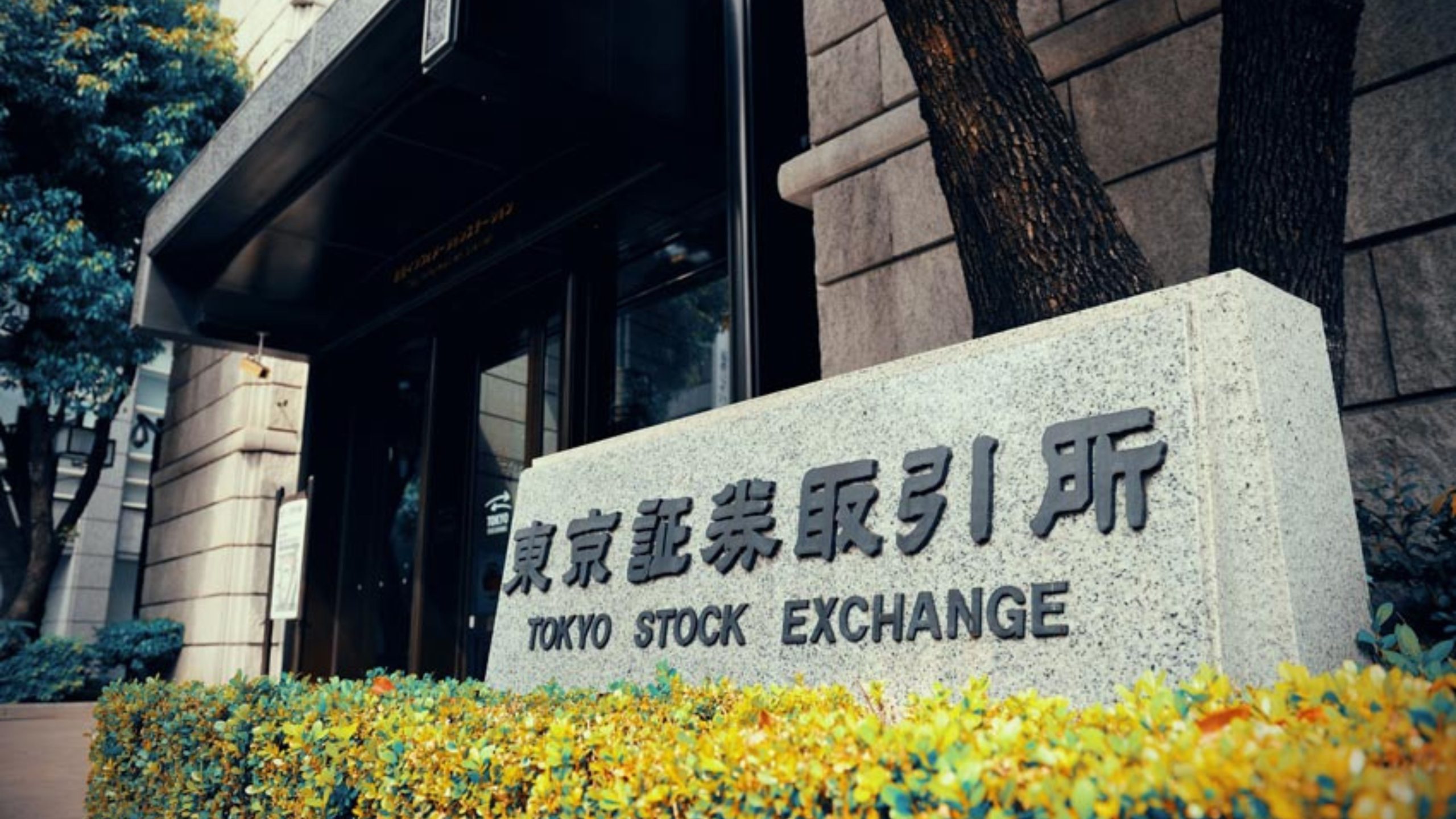
Tokyo targets cross-border IPOs as Asian startups reassess listing options
 by
by

Japan’s stock exchange looks to cross-border listings as startups reassess Hong Kong and U.S. options
The Tokyo Stock Exchange is stepping up efforts to revive its initial public offering (IPO) market by positioning Tokyo as a listing destination for startups across Asia. The initiative reflects Japan’s broader push to attract high-growth technology companies and increase foreign participation in its capital markets as regional IPO activity remains strong.
As part of the effort, the exchange is offering support for fundraising and IPO preparation, working with banks, auditors, and venture capital firms across Asia. According to information published by the exchange, 20 startups have been selected so far, with about half based in Singapore and Taiwan, pointing to growing interest from Southeast and East Asian companies exploring overseas listing options.
Competing in a crowded Asian IPO landscape
IPO markets across Asia have gained momentum, with India posting record listings last year and Hong Kong reporting proceeds at multi-year highs. Against this backdrop, Tokyo is seeking to carve out a clearer role by targeting companies that may be too small for U.S. exchanges or increasingly cautious about geopolitical risks tied to Hong Kong.
Rather than competing solely on speed or valuation, Tokyo is emphasizing stability and long-term performance. “We are looking to have as many companies whose shares keep rising over a long period as possible, and that’s not limited to Japanese firms,” said Moriyuki Iwanaga, president of the Tokyo Stock Exchange.
Post-listing liquidity has emerged as a key part of Tokyo’s pitch to foreign startups. For companies planning sustained growth, the ability to trade shares actively after listing is often as important as completing the IPO itself.
“Liquidity after listing is significantly important for companies as management engages with shareholders and stakeholders to raise corporate value,” said Atsushi Takahashi, a senior manager at Mitsubishi UFJ Trust and Banking Corp., one of the initiative’s partners.
The trust bank estimates the program could result in more than 20 cross-border IPOs over the next three years, a sharp increase from the four such listings completed between 2023 and 2025, based on data published by the exchange.
Startups test Tokyo as a listing option
Several companies involved in the initiative are already weighing Tokyo as a potential listing venue. Tonik Financial Pte., a Philippines-based digital bank backed by Mizuho Bank Ltd., is exploring a Tokyo IPO within the next two to three years, founder Greg Krasnov said, citing access to liquidity and a broader investor base.
Others see strategic value tied to expanding their presence in Japan. Ming Chen, chief executive of KKday, said listing in Tokyo could help build trust with local partners, noting that Japan already accounts for about half of the company’s revenue.
The renewed push also reflects a reassessment of Tokyo’s earlier cross-border IPO strategy. Under its mid-term management plan from April 2022 to March 2025, the exchange aimed to attract 20 cross-border listings but secured only five, including offerings by Anymind Group Inc. and Astroscale Holdings Inc..
To strengthen its pipeline and the quality of listed companies, Tokyo is also considering raising requirements for companies to remain publicly listed, a move aimed at encouraging long-term growth rather than short-lived market debuts.
What it means for Asian startups
For founders and investors across Asia, Tokyo’s outreach reflects a shift in how IPO destinations are being evaluated. As regulatory scrutiny increases in the U.S. and geopolitical uncertainty continues to influence sentiment around Hong Kong, startups are reassessing where they can access public capital without adding long-term risk.
Rather than focusing only on valuation or market visibility, companies considering a Tokyo listing are weighing practical, post-IPO factors, including:
- Post-IPO liquidity and investor depth:
For mid-sized startups, consistent trading volumes are critical after listing, particularly for follow-on fundraising, employee stock programs, and long-term price stability. Tokyo’s institutional investor base is viewed by some companies as offering more predictable participation over time. - Regulatory stability and governance standards:
Japan’s listing framework is relatively strict, but also more stable and clearly defined. For startups operating in regulated sectors, predictable disclosure and compliance requirements can reduce uncertainty once public. - Strategic alignment with Japan exposure:
For companies already generating revenue in Japan or planning expansion there, a Tokyo IPO can support local credibility with customers, partners, and regulators, making the listing part of a broader market strategy rather than a standalone financing event.
Together, these considerations suggest that Tokyo is positioning itself not as a high-profile IPO venue, but as a potential long-term public market option for Asian startups seeking stability alongside access to capital.
A shifting IPO playbook
Tokyo’s renewed push suggests a broader shift in how Asian startups think about going public. Rather than defaulting to the U.S. or Hong Kong, founders are increasingly weighing trade-offs around liquidity, regulatory stability, investor composition, and long-term market support. In that context, Tokyo is positioning itself less as a high-profile IPO stage and more as a market designed for durability.
For startups planning gradual regional expansion—especially those with growing exposure to Japan—the appeal may lie in predictability rather than scale. If the exchange can follow through on post-listing liquidity and governance standards, Tokyo could emerge as a practical alternative for companies seeking public markets without the volatility or geopolitical overhang found elsewhere. The next few years will show whether this recalibration is enough to shift listing behavior across Asia.
Quick takeaways
- The Tokyo Stock Exchange is actively courting Asian startups as it looks to strengthen its IPO pipeline through cross-border listings.
- Strong IPO activity in India and Hong Kong has intensified competition among regional exchanges, pushing Tokyo to differentiate on liquidity and long-term market stability.
- Startups weighing a Tokyo listing are increasingly focused on post-IPO trading depth, governance standards, and alignment with business expansion in Japan.
- Tokyo’s effort reflects a broader shift in Asia, where founders are reassessing traditional listing destinations amid geopolitical and regulatory uncertainty.
Similar Articles