AsiaTechDaily – Asia's Leading Tech and Startup Media Platform

What Biren’s Hong Kong IPO Means for China’s AI Chip Ecosystem
 by
by

Heavy oversubscription highlights investor confidence—but the real test lies in execution, geopolitics, and competition with global chip leaders.
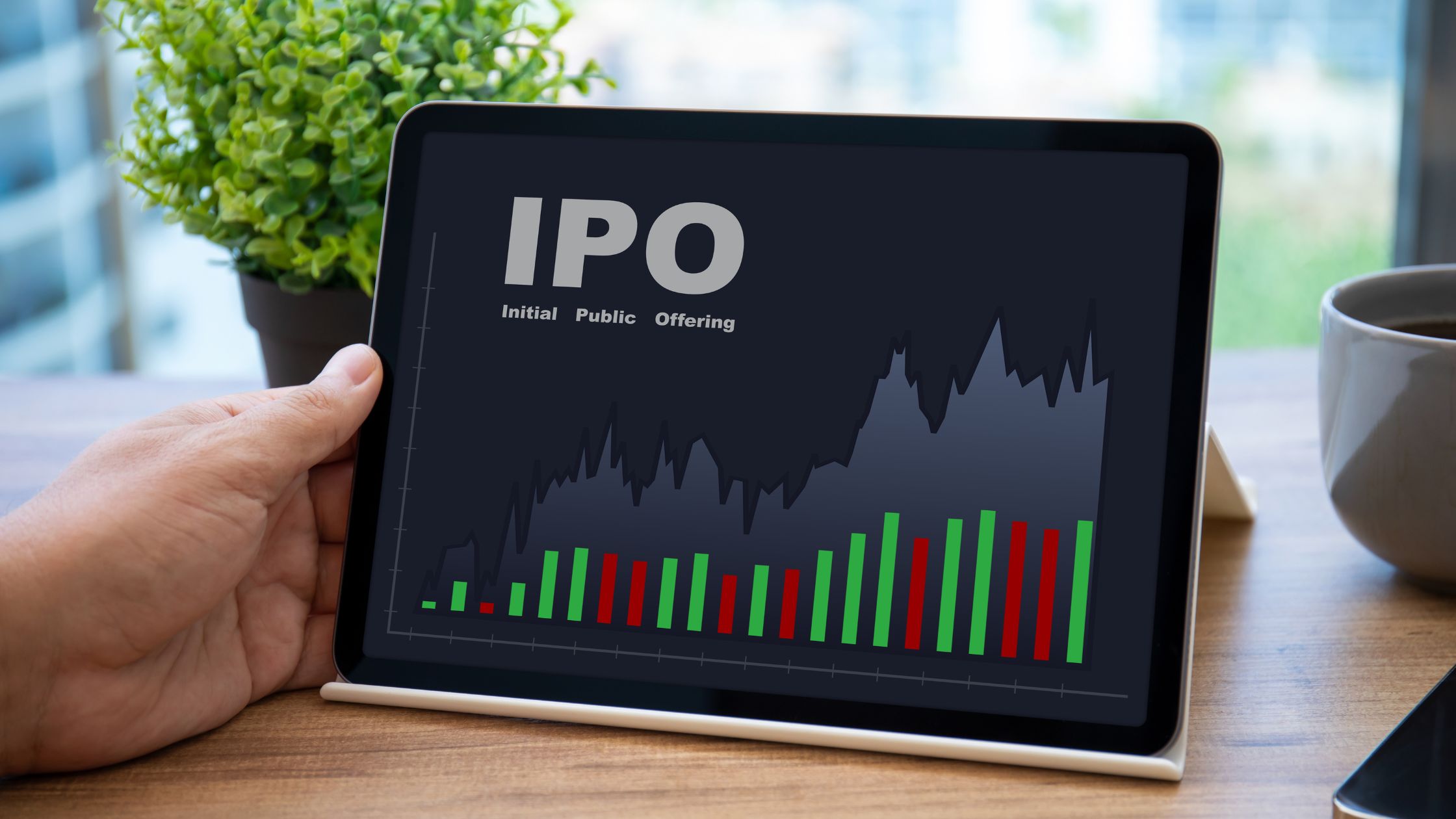
Shanghai-based AI chip startup Biren Technology has raised HK$5.58 billion (about US$717 million) through its initial public offering in Hong Kong, according to an exchange filing released on Wednesday. The company sold around 284.8 million shares at HK$19.60 apiece, pricing the deal at the top end of the marketed range.
The listing stands out as one of the largest technology IPOs in the city this year and marks a notable moment for China’s artificial intelligence semiconductor sector. At a time when global chip markets remain volatile and geopolitical pressures are reshaping supply chains, Biren’s successful flotation points to sustained investor interest in domestic AI hardware developers.
Strong Demand Reflects Confidence—and Scarcity
Investor appetite for Biren’s IPO was unusually strong. Institutional investors subscribed nearly 26 times the shares available, while the retail portion was oversubscribed by about 2,348 times. Such demand levels are rare, even in buoyant markets, and reflect both optimism about Biren’s prospects and limited access to pure-play AI chip companies in public markets.
Market participants say the strong response was driven by several factors:
- Biren’s positioning in high-performance AI computing
- Growing policy and commercial support for domestic chip alternatives in China
- Hong Kong’s renewed appeal as a listing venue for mainland technology firms
Pricing the shares at the top of the range further reinforced the view that investors were willing to pay a premium for exposure to China’s AI semiconductor push.
A Sector Shaped by Export Controls
Biren’s IPO comes amid tighter U.S. export restrictions on advanced semiconductors, which have made it harder for Chinese companies to access high-end AI chips from overseas suppliers. These controls have accelerated efforts in China to develop homegrown alternatives, lifting interest in local chip designers.
The company’s listing follows earlier Hong Kong offerings by peers such as Moore Threads and MetaX, underscoring a broader trend: capital markets are increasingly being used to fund China’s semiconductor self-reliance strategy.
For investors, this creates a complex equation. On one hand, policy support and domestic demand offer tailwinds. On the other, the sector remains exposed to technology bottlenecks, manufacturing constraints, and ongoing geopolitical risk.
From High Expectations to Hard Execution
Established in 2019, Biren was founded by Zhang Wen, a former senior executive at AI company SenseTime, alongside Jiao Guofang, who previously held roles at Qualcomm and Huawei. Their combined backgrounds bring together international semiconductor expertise and a strong understanding of China’s domestic AI ecosystem.
Biren drew industry attention in 2022 with the launch of its BR100 AI chip, which it positioned as capable of competing with Nvidia’s H100. The announcement elevated Biren’s profile in the AI hardware space, though analysts note that raw performance comparisons alone do not determine commercial success.
Scaling production, securing advanced manufacturing capacity, building a software ecosystem, and winning large enterprise customers will ultimately determine whether Biren can convert technical ambition into sustainable revenue.
What the IPO Really Tells Us
Biren’s IPO is less about a single company and more about where China’s AI chip sector stands today.
It shows that:
- Investors are willing to back domestic AI chipmakers despite global uncertainty
- Hong Kong is reasserting itself as a key fundraising hub for Chinese technology firms
- Capital markets are aligning more closely with China’s industrial policy priorities
At the same time, the listing does not remove the structural challenges facing the sector. Competition is intensifying, development costs remain high, and the gap with global leaders will not close overnight.
Hong Kong’s Market Revival Adds Context
The deal also contributes to a broader rebound in Hong Kong’s IPO market. The city has raised about US$36.5 billion from 114 listings in 2025, its strongest year since 2021 and more than three times the amount raised in 2024, according to LSEG data.
This resurgence has been driven largely by technology, healthcare, and industrial firms from mainland China, as issuers seek international capital while staying close to home markets.
A Milestone, Not a Finish Line
Biren’s successful IPO marks an important milestone for China’s AI semiconductor ambitions, but it is not an endpoint. The funds raised will support research, hiring, and product development, yet the company now faces the scrutiny and discipline that come with being publicly listed.
For China’s broader AI chip ecosystem, the listing sends a clear signal: capital is available, but expectations are high. Execution, not ambition, will determine which companies emerge as long-term winners.
Quick Takeaways
- Biren’s IPO drew unusually strong demand, with heavy oversubscription from both institutional and retail investors, highlighting continued appetite for China-focused AI semiconductor plays.
- The listing reflects more than company-specific optimism, pointing to broader investor interest in domestic alternatives to U.S. chips amid tighter export controls.
- Hong Kong’s role as a fundraising hub is strengthening, as technology and industrial firms from mainland China return to public markets.
- Technical ambition alone will not determine success, as Biren now faces challenges around manufacturing scale, ecosystem development, and customer adoption.
- The IPO marks a milestone, not an endpoint, with execution in the public market expected to shape both Biren’s trajectory and perceptions of China’s AI chip sector.
Similar Articles